
Are Security Screens Worth It in Low-Crime Areas?
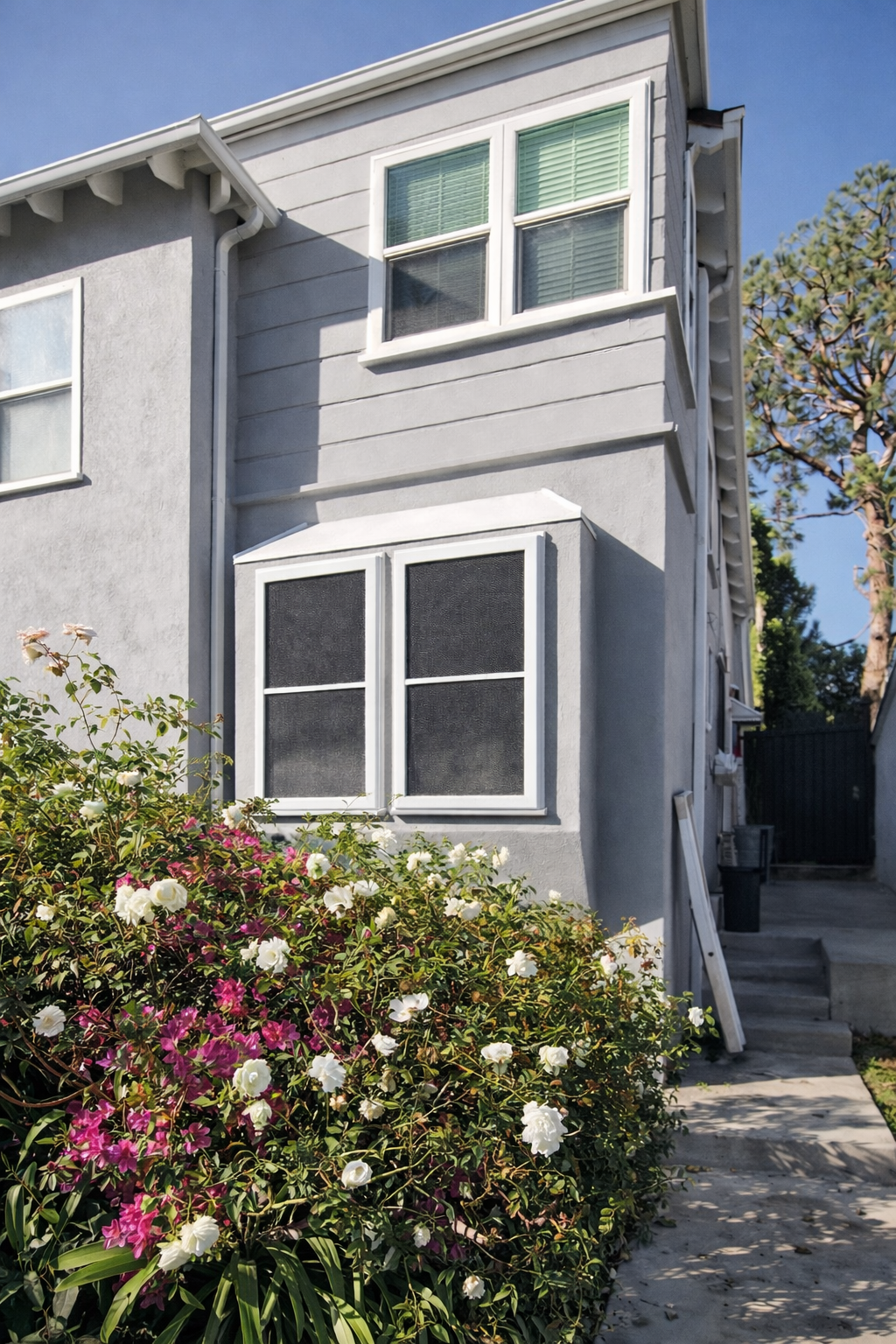
If you live in a quiet, well-maintained neighborhood, you might wonder whether high-security features are overkill.
After all, you lock your doors, your neighbors keep an eye out, and break-ins feel like something that happens somewhere else.
So are security screens still worth it in low-crime areas?
In short: yes — but maybe not for the reasons you think.
The Myth of “Safe Neighborhoods”
Low-crime doesn’t mean no-crime.
According to the FBI’s 2024 Crime Data Explorer, even communities ranked in the bottom 25% for crime experience one burglary for every 220 homes per year.
That means if you live in a subdivision of 500 homes, it’s not if a break-in happens — it’s who’s next.
And in lower-crime ZIP codes, burglars often prefer these neighborhoods precisely because:
Homes are better stocked and less defended.
Residents feel secure and let their guard down.
Police patrols are less frequent due to resource allocation.
Safety breeds comfort — and comfort attracts opportunity.
Why Security Screens Still Make Sense
Security screens do more than block burglars. They offer everyday benefits that make them valuable even when break-ins are rare.
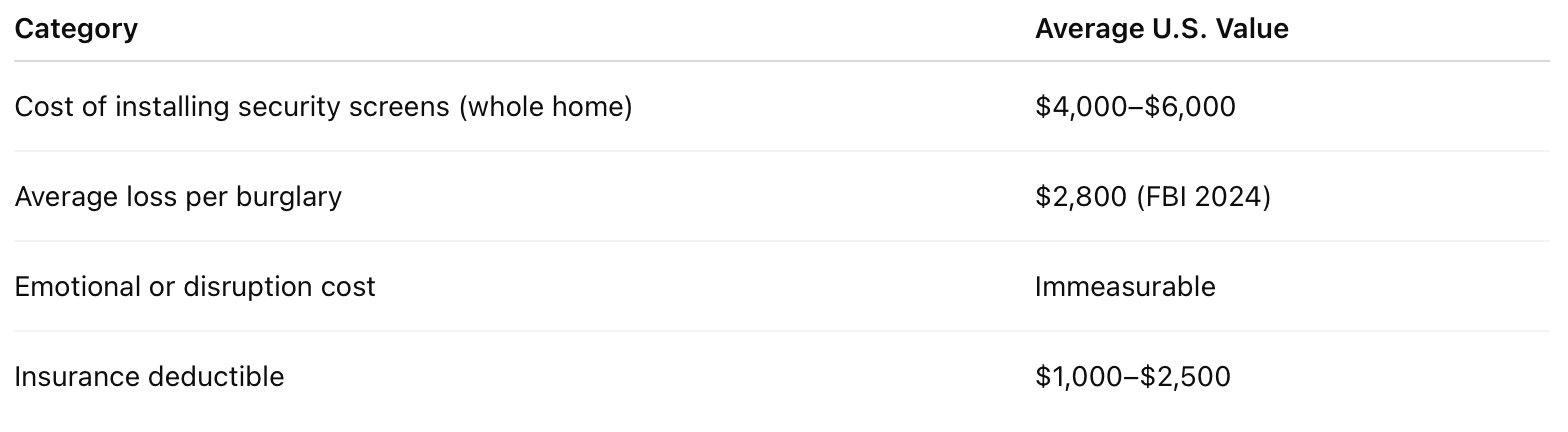
In low-crime areas, that mix of comfort + performance + subtle protection often justifies the investment on its own.
The “Predictability” Factor
Criminals rarely strike randomly. They look for patterns:
Garages left open during errands.
Empty driveways during work hours.
Windows left cracked at night.
Even in peaceful neighborhoods, those moments of vulnerability exist.
Security screens eliminate them quietly, allowing airflow and comfort without exposure.
They’re prevention through habit-proofing — protection that doesn’t rely on remembering to close, lock, or double-check.
The Value of Prevention vs. Reaction
Insurance covers financial loss, but it doesn’t cover the emotional cost of intrusion.
A 2023 University of Michigan study found 72% of burglary victims in low-crime areas reported ongoing anxiety and disrupted sleep for months after the event.
The paradox:
People in safe neighborhoods are more affected emotionally when crime happens because it violates their sense of security. Security screens help preserve that peace before it’s shaken.
Comparing the Cost of Risk
Let’s look at real numbers.
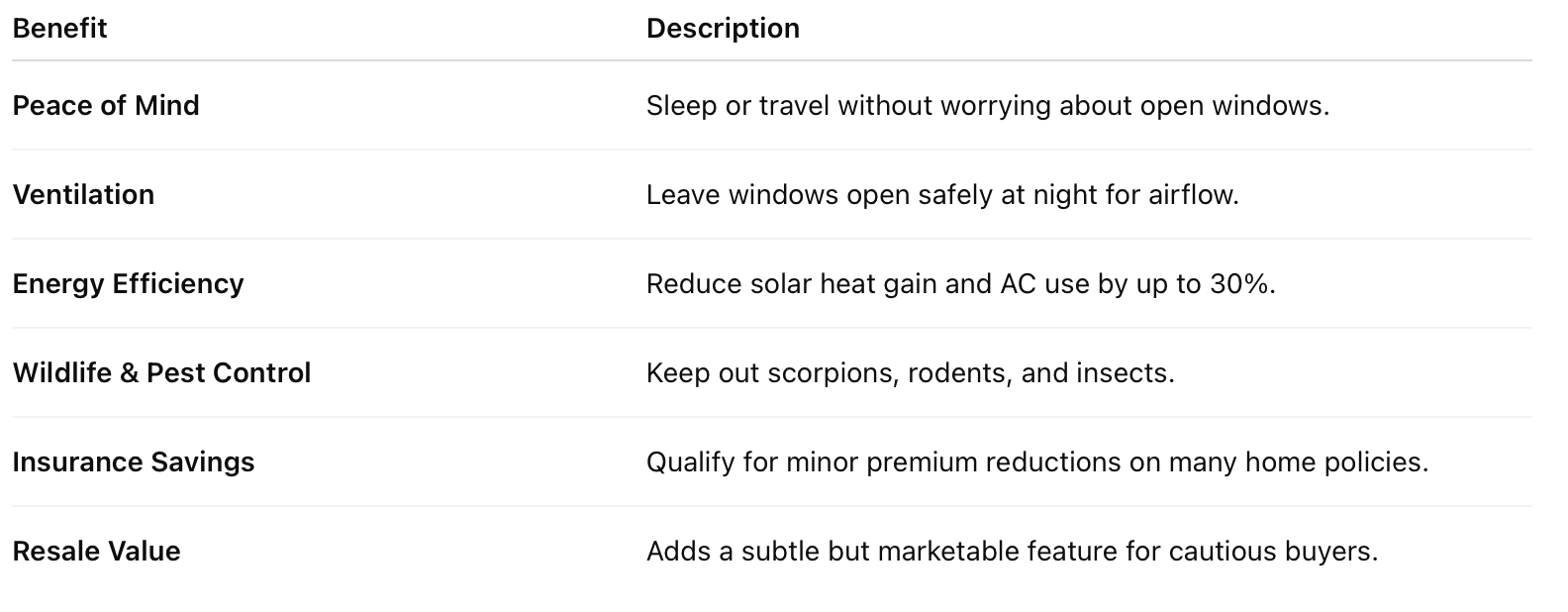
Even one prevented incident pays for the entire system.
And while alarms or cameras only help after entry, screens prevent the moment altogether.
How They Add Everyday Value
1. Comfort & Airflow
Homes in desert or coastal climates benefit from natural ventilation. Security screens allow open windows 24/7 — even while you sleep or travel.
2. Energy Efficiency
Tests under Australian Standard AS5039 show properly installed stainless-steel screens can block 50–60% of solar heat and 60–70% of UV rays, reducing AC loads and fading of interiors.
3. Curb Appeal
Modern security screens look like architectural upgrades, not barriers. They blend with the home’s style — often adding resale value without changing the aesthetic.
Real-World Example: Henderson, NV
A homeowner in a gated Henderson community installed Boss Security Screens primarily for airflow, not safety.
Six months later, a small string of break-ins occurred in their neighborhood.
While three nearby homes were hit, the houses with visible steel screens were skipped entirely.
Police officers later confirmed: “Burglars generally avoid visible physical resistance — it slows them down.”
Even in the safest areas, perception matters.
Expert Insight
According to Boss Security Screens, over one-third of their clients live in neighborhoods with low or moderate crime rates.
“People think we sell security, but what we really provide is freedom — the freedom to live without worry,” their team explains.
“Screens are for the everyday moments: open windows, sleeping cool, protecting family, and feeling safe enough to forget about it.”
When They’re Especially Worth It
Even in low-crime areas, certain homes benefit more than others:
Corner lots or homes backing to open land.
Seasonal or part-time residences.
Elderly occupants or families who travel often.
Properties with large glass doors or panoramic windows.
These are the homes that burglars quietly test — not because of high crime, but because of low risk of confrontation.
The “Layered Security” Approach Still Wins
Even when crime is rare, the layered approach remains best practice:
Lighting and visibility (motion-activated LEDs).
Strong physical barriers (security screens and doors).
Smart deterrents (cameras, sensors).
That combination ensures your home is both safe and serene — without the feeling of being under lock and key.
Conclusion
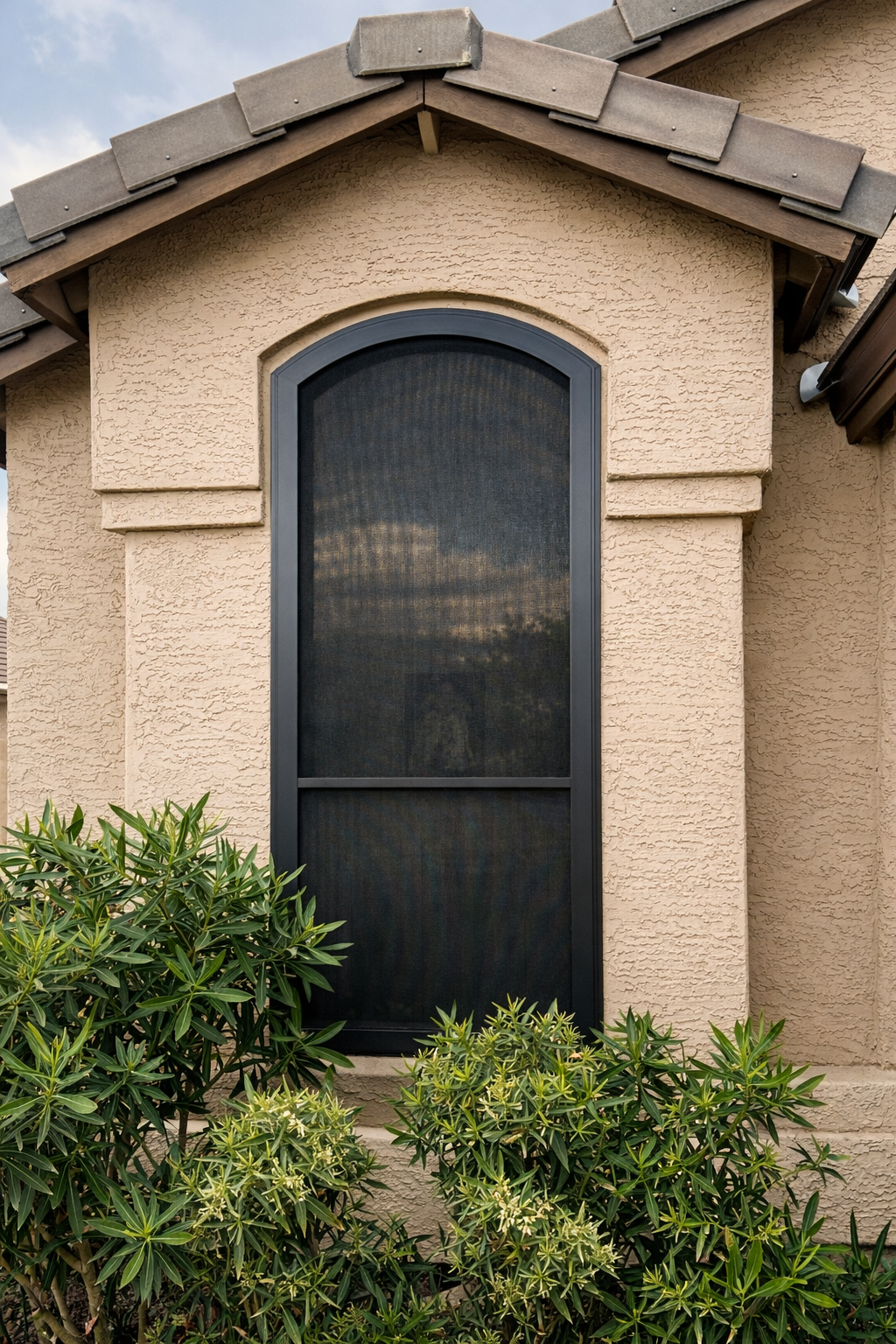
Security screens aren’t only for high-crime neighborhoods.
They’re for homeowners who value peace, privacy, airflow, and prevention — no matter the ZIP code.
In a world where comfort and safety are priceless, it’s worth protecting the feeling of security itself.
Because the best time to invest in prevention isn’t after something happens.
It’s before you ever need to.