
Best Home Security Upgrades for Seniors and Retirees
As we age, the meaning of “home security” changes.
It’s no longer just about keeping burglars out — it’s about peace of mind, comfort, and maintaining independence without turning a home into a fortress.
For seniors and retirees, the best security upgrades are the ones that protect without complicating daily life.
They should work quietly in the background, enhancing safety while preserving freedom and dignity.
Why Seniors Are More Vulnerable
According to the National Crime Prevention Council (2024), adults over 60 are targeted for home intrusions at 1.5 times the national average.
That’s not because they’re careless — it’s because criminals perceive them as less likely to resist or respond quickly.
Additional factors include:
Single occupancy or smaller households.
Reduced physical mobility.
Homes that appear “quiet” during the day.
Older locks, doors, or window systems that haven’t been upgraded.
The right upgrades can address these risks without introducing complexity or anxiety.
1. Reinforced Entry Points
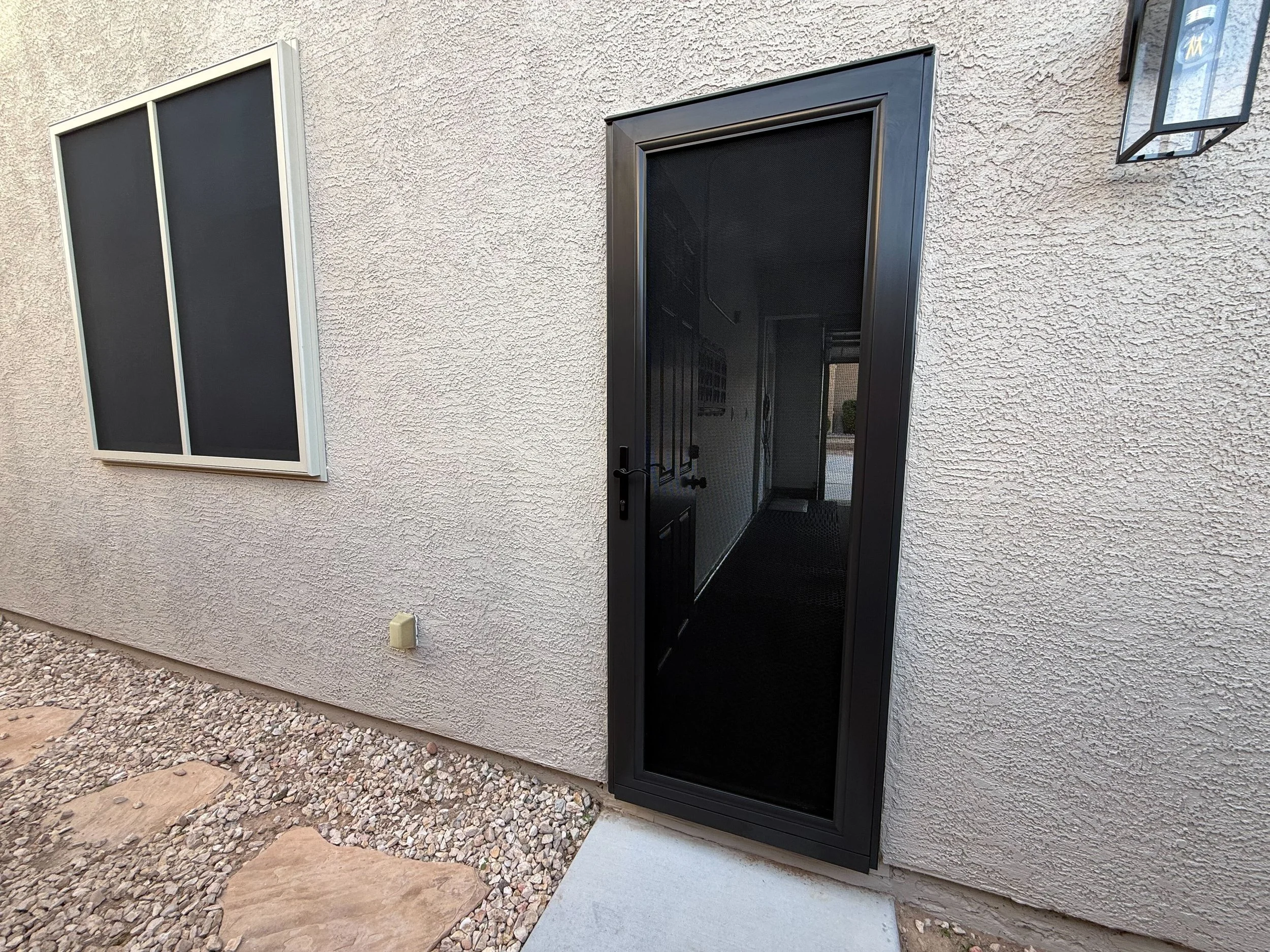
The front and back doors are responsible for 34% of all break-ins (FBI Uniform Crime Report, 2023).
For seniors, the goal isn’t heavy security gear — it’s strong, easy-to-use systems.
Recommended Upgrades:
Security Doors: Stainless-steel mesh doors that lock easily but resist forced entry.
Smart Deadbolts: Keyless models with illuminated keypads or fingerprint readers.
Long-Throw Deadlatches: Automatically engage when doors close — no need to remember to lock manually.
Physical strength shouldn’t determine safety.
2. Security Screens for Windows
Many seniors love fresh air — but open windows can feel risky.
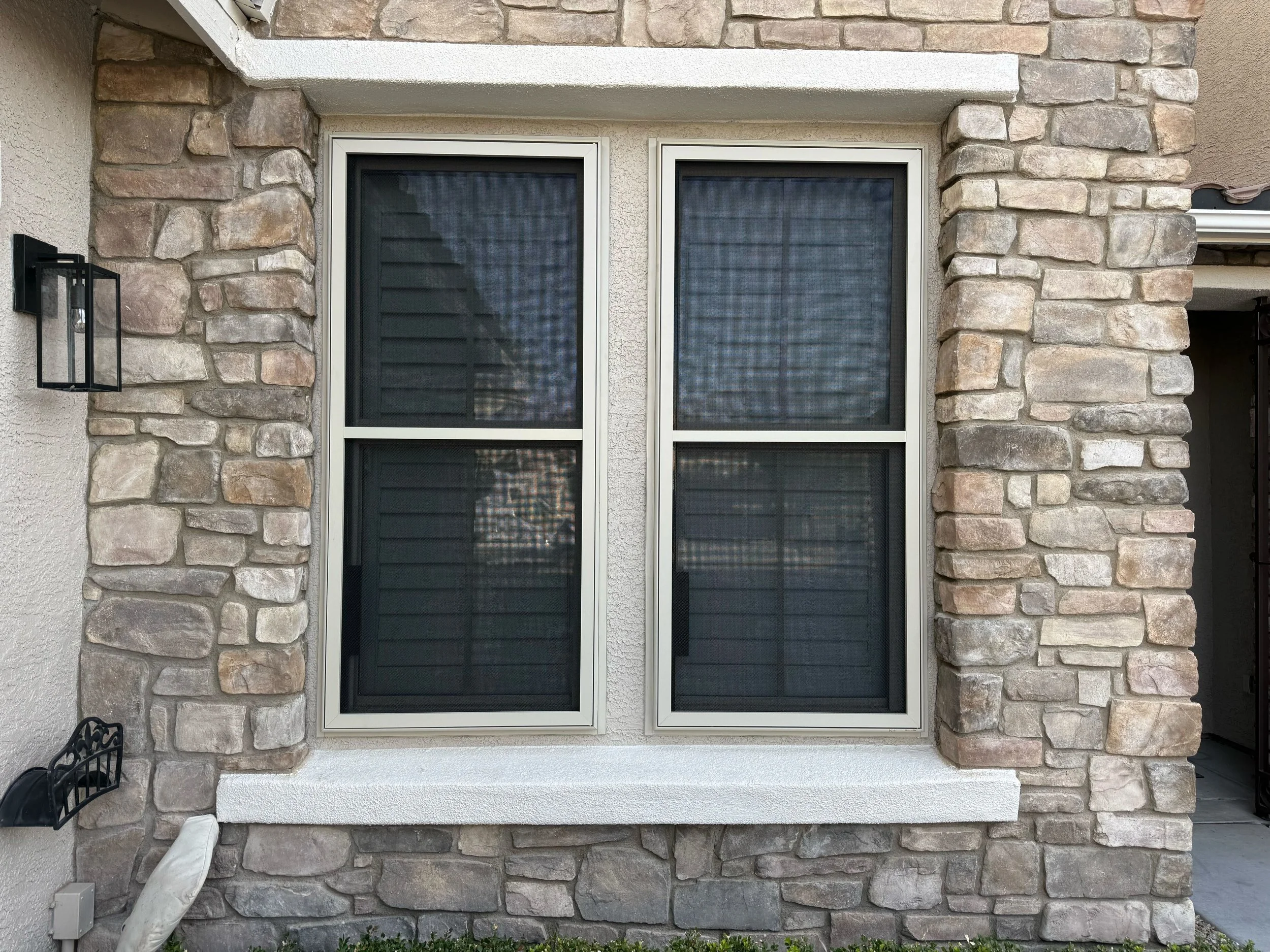
Security screens allow ventilation without vulnerability.
Made of marine-grade 316 stainless steel mesh, they:
Prevent forced entry and cutting.
Allow full airflow and visibility.
Reduce heat and glare (important for comfort and utility costs).
For retirees in warm climates like Nevada, Arizona, or Florida, this means keeping windows open safely all year.
And unlike bars, they don’t look or feel restrictive.
3. Smart Cameras and Doorbells
Technology can empower older homeowners — if it’s intuitive.
Modern smart cameras and doorbells allow seniors to see and speak to visitors without opening the door.
Top options:
Video Doorbells: Instant alerts on a smartphone or tablet.
Voice Integration: Works with Alexa or Google Home.
Two-Way Audio: Lets users speak to delivery drivers or potential solicitors safely.
For tech-averse users, devices can be set to automatically notify a trusted family member instead.
4. Lighting and Motion Sensors
Criminals thrive in darkness and hesitation.
Automatic lighting eliminates both.
Motion-Sensor Floodlights: Trigger instantly when someone approaches.
Timed Interior Lighting: Simulates occupancy during travel.
Pathway Lights: Improve nighttime safety and reduce fall risk.
The Department of Justice reports that homes with consistent exterior lighting experience 44% fewer intrusions.
5. Simplified Alarm Systems
Traditional alarms can overwhelm older users with codes and beeping keypads.
Instead, opt for smart alarms with:
One-touch activation (arm/disarm with a fob or phone).
Automatic arming when leaving the house.
Medical emergency buttons integrated into the system.
These systems combine safety and wellness monitoring — a valuable hybrid for retirees living alone.
6. Low-Tech But Effective Measures
Some of the best protections are mechanical and maintenance-free:
Peephole Viewers: Wide-angle lenses to see who’s outside.
Door Jammers: Simple devices that brace the door from the inside.
Sliding Door Bars: Prevent forced opening even if locks fail.
No subscriptions, no apps, no batteries — just reliability.
7. Protecting Outdoor Areas
Retirees often spend more time gardening or enjoying patios, which makes outdoor visibility key.
Install:
Fencing with clear sightlines — not solid panels that block neighbors’ views.
Security Screens on patio enclosures, allowing air and safety simultaneously.
Storage locks for sheds or golf carts — frequent theft targets.
These small upgrades protect both personal space and property.
8. Emergency Connectivity
Security isn’t just about prevention — it’s about response.
A fall, fire, or break-in requires fast communication.
Consider:
Medical alert devices (pendants or smartwatches).
Automated family notifications for alarms or doorbell events.
Wi-Fi repeaters or mesh networks to ensure coverage across large homes.
Peace of mind is knowing help is always reachable.
9. Security Screens as an “Aging in Place” Upgrade
For seniors planning to stay in their homes long-term, security screens are one of the few permanent improvements that check every box:
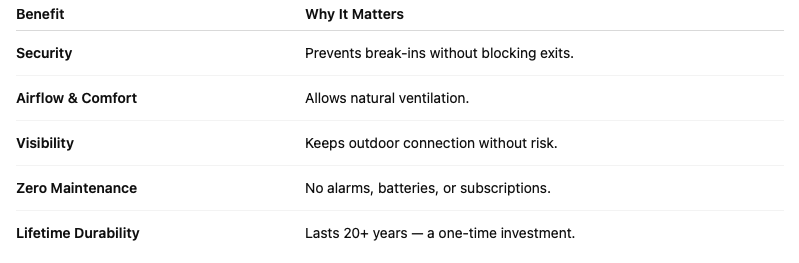
According to Boss Security Screens, many of their clients are retirees choosing to “age in place.”
As the company notes:
“Our screens protect without complexity. You lock them once, and they just work — year after year.”
10. Financial Benefits and Insurance Discounts
Many insurance providers offer discounts for certified security upgrades, including:
Impact-tested doors and windows (ASTM F1233).
Permanent mesh systems that reduce burglary risk.
These credits can offset installation costs while adding resale value — a practical benefit for fixed-income households.
Conclusion
The best home security for seniors isn’t about gadgets or fear — it’s about freedom.
It’s about being able to open the door, breathe fresh air, and feel safe without needing an app, subscription, or constant maintenance.
Security screens, smart lighting, and simple mechanical reinforcements create a home that’s both secure and serene — a place to live comfortably, confidently, and independently.