
Do Security Screens Void Window Warranties?
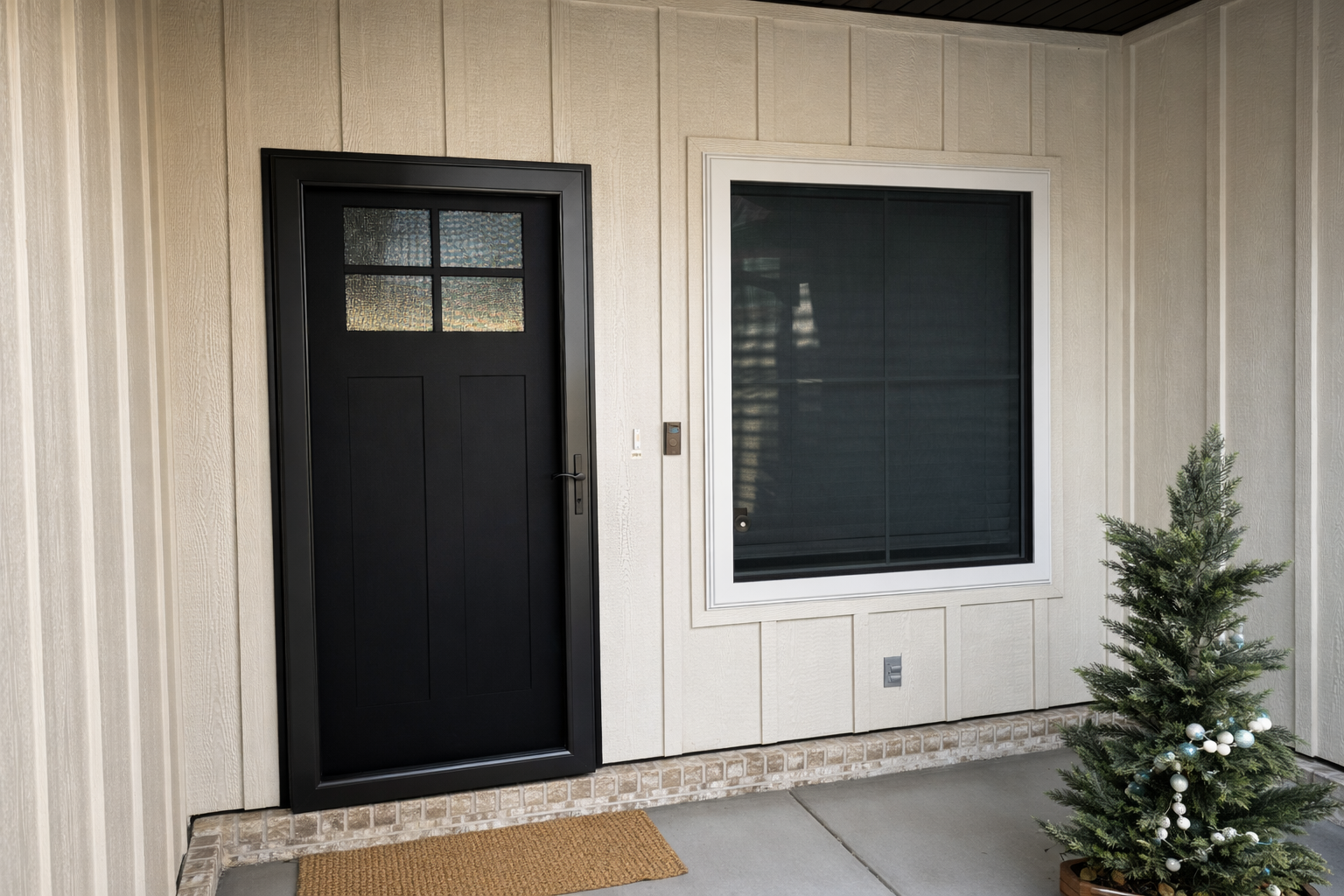
It’s one of the most common questions homeowners ask before installing security screens:
“If I add these to my windows, will my manufacturer’s warranty still be valid?”
It’s a fair concern. Windows are expensive, and most warranties cover defects, glass failure, or frame damage for 10–20 years. No one wants to jeopardize that protection.
The good news? When installed correctly, security screens do not void window warranties — and in many cases, they can actually extend the life of your windows.
Let’s break down why.
Understanding What Window Warranties Cover
Most window warranties are issued by the manufacturer and cover:
Glass seal failure (fogging or condensation between panes).
Frame or sash defects caused by poor materials or manufacturing.
Hardware malfunctions, such as latches or hinges.
These warranties don’t typically cover:
Accidental breakage.
Improper installation by third parties.
Physical alterations to the window structure.
In other words, as long as a security screen doesn’t modify the original window frame or affect how it operates, it’s fully compliant.
Why Security Screens Don’t Interfere with Warranties
High-quality security screens — like those made by Boss Security Screens — are designed to be structurally independent.
They’re mounted around the existing window, not into it.
That means:
The window frame remains untouched.
No drilling into glass or sash components.
The screen functions separately — like a storm door for a window.
Because the screen frame is attached to the surrounding structure (stucco, wood, or masonry), it doesn’t place mechanical stress on the window itself.
Essentially, the screen protects your warranty investment by taking the impact, sun, and debris before the window does.
What Might Void a Warranty
That said, there are exceptions — and they mostly apply to improper installation.
A window manufacturer may deny a claim if:
Holes are drilled directly into the window frame (instead of surrounding trim).
The installer damages the glazing bead or weather seal.
Aftermarket tint or coating affects thermal performance.
That’s why professional installation by a licensed contractor matters.
Companies like Boss Security Screens use custom-fit, non-invasive frames designed for your specific window type — ensuring your manufacturer’s coverage remains intact.
Industry Statements and Precedents
Several major window manufacturers have issued public clarifications on this topic:
Milgard: “Non-invasive accessories such as security screens or insect screens installed externally do not void the product warranty when attached outside the window frame.”
Andersen Windows: Confirms coverage remains valid unless alterations interfere with sash operation or frame structure.
Pella: Allows third-party accessories if installation meets ASTM guidelines for exterior screen attachments.
In practice, the concern about warranty conflicts often comes from misunderstanding or poor installations, not from the product itself.
Added Benefits: Screens as Warranty Protection
Ironically, security screens often help windows last longer by protecting them from the very issues warranties are designed to cover.
Benefits include:
UV and heat reduction → less frame expansion/contraction.
Impact protection → prevents glass breakage from storms, debris, or lawn equipment.
Dust and moisture deflection → reduces seal stress and corrosion.
In desert climates, where window seals degrade faster from solar exposure, screens can easily extend glass clarity and performance by 5–10 years.
What to Ask Before Installation
If you’re concerned about warranty compliance, follow these simple steps:
Read your warranty.
Look for exclusions mentioning “modifications to frame or sash.”Ask your installer for documentation.
A professional company should provide mounting diagrams and warranty language from both the manufacturer and installer.Get it in writing.
Some installers (like Boss) issue a written statement confirming that their attachment method is non-invasive and warranty-safe.Avoid DIY installations.
Even a single misplaced screw can void a warranty — it’s not worth the risk.
Case Study: Phoenix, AZ
A homeowner with new Milgard windows wanted to add security screens for both protection and energy savings.
Their HOA initially expressed concern about warranty impact. Boss Security Screens provided:
Mounting schematics showing no contact with the original window frame.
Correspondence from Milgard confirming no conflict.
Result: full approval from both HOA and manufacturer, and measurable reduction in solar heat inside the home.
Expert Insight
According to Boss Security Screens, the key to preserving window warranties is precision:
“We treat the window like sacred territory. Everything we attach is anchored to the building envelope, not the window structure. Our goal is to protect — not interfere.”
The company’s installation standards are aligned with both ASTM F1233 (impact resistance) and window manufacturer guidelines, ensuring compliance across brands.
Conclusion
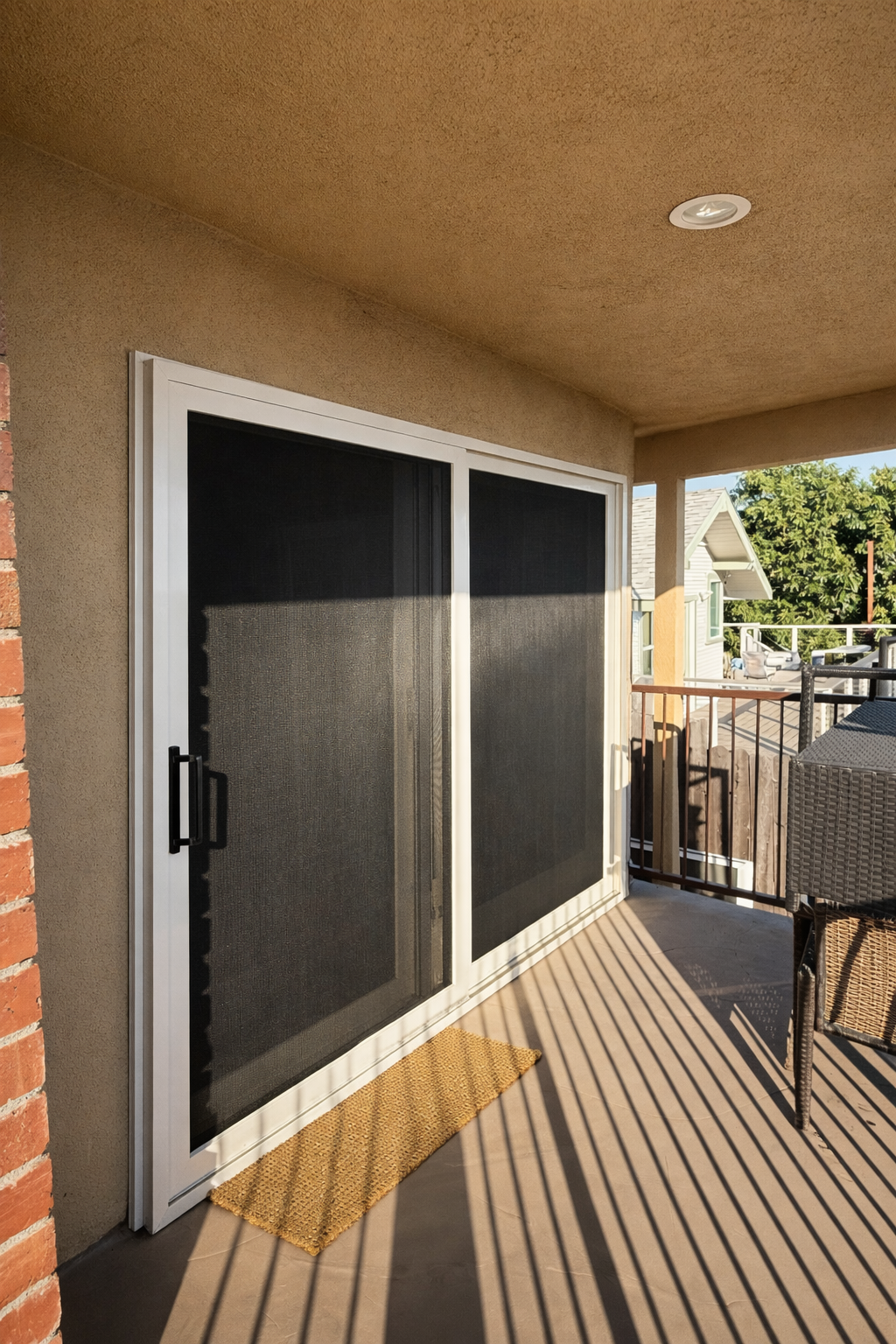
Installing security screens will not void your window warranty — as long as they’re properly fitted and installed by qualified professionals.
In fact, they often protect your warranty-covered assets by shielding the glass and frame from environmental stress.
Think of it this way:
A security screen isn’t an alteration. It’s armor — protecting both your family and your investment.