
How Burglars Actually Break In (and How to Stop Them)
Most homeowners imagine burglars as professional thieves — lurking in the dark, picking locks with precision tools.
The truth is far less cinematic and far more unsettling: most break-ins are quick, messy, and opportunistic.
Understanding how burglars actually enter homes is the key to stopping them.
And it starts with knowing what they see when they walk down your street.
The Modern Burglar Profile
According to the Department of Justice’s National Crime Victimization Survey (2024):
65% of burglaries occur during daytime hours, between 10 a.m. and 3 p.m.
The average intruder spends under 90 seconds gaining entry.
Two-thirds of offenders are amateurs, not professionals — typically local and familiar with the area.
In other words, burglars don’t plan for months. They pick the easiest target in sight.
The Most Common Entry Points
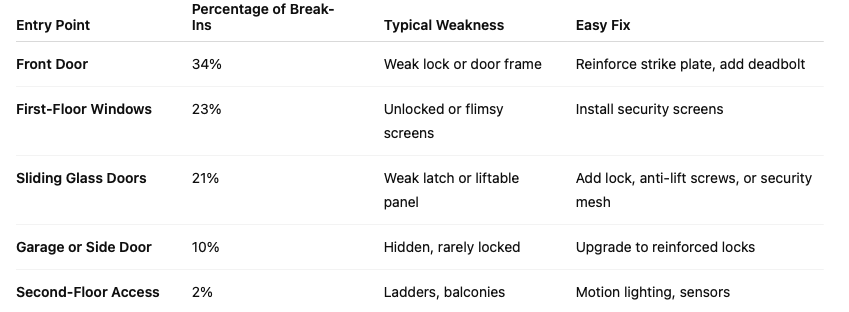
The pattern is simple: burglars go for the path of least resistance, not stealth.
Most don’t break glass unless they have to — it’s loud and dangerous. They push, pry, or kick until something gives.
The “Kick Test”
Many homeowners believe their solid wood or steel front doors can withstand force.
Unfortunately, unless the frame and latch are reinforced, a single kick can snap the strike plate out of the jamb.
Consumer Reports testing found that a standard door frame failed after 2–3 kicks, while a reinforced strike plate (anchored with 3-inch screws) resisted over 10 full-force impacts.
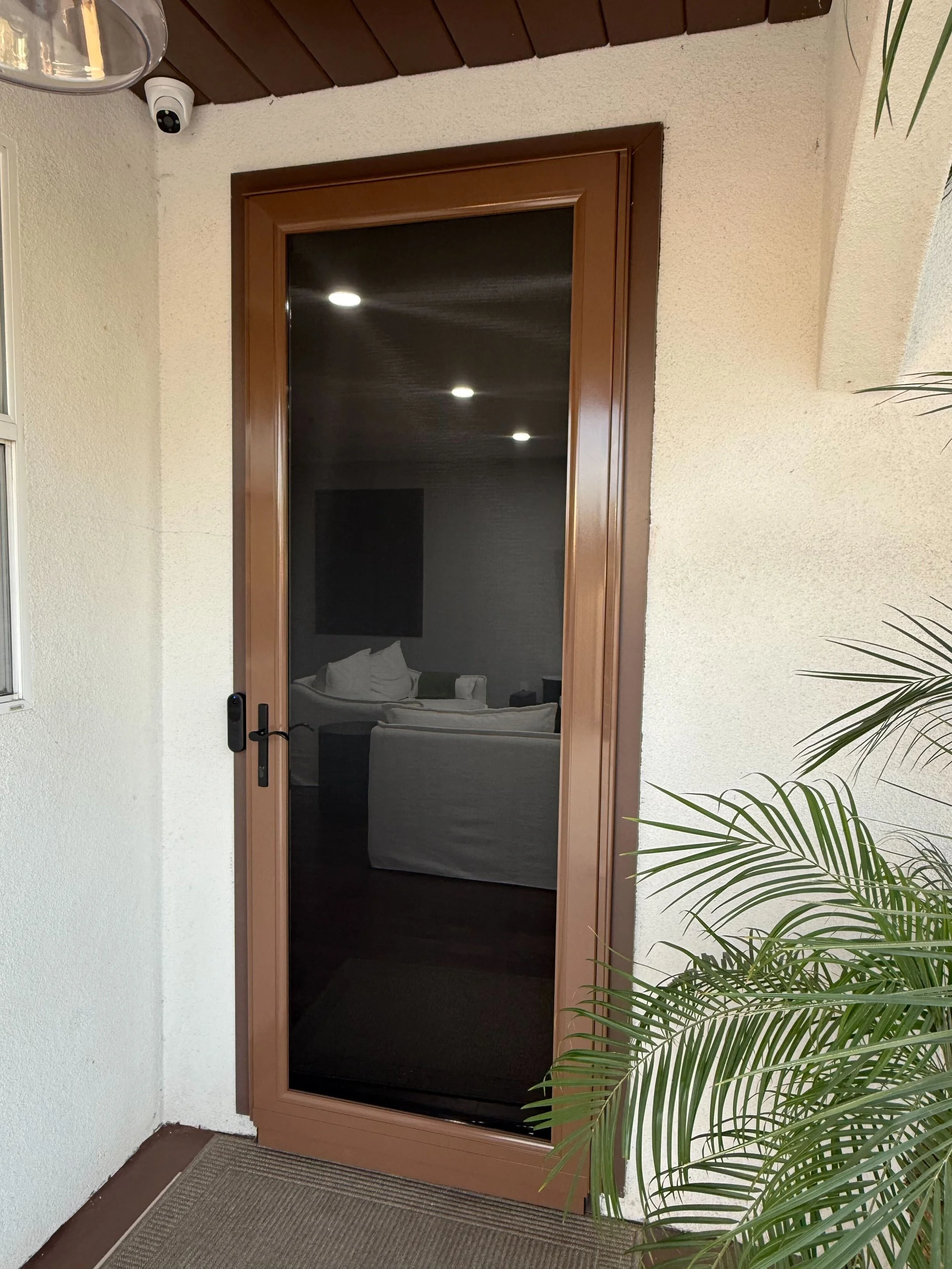
The fix costs less than $50 — or you can take it further with a steel security door that absorbs and redistributes impact force instead of passing it to the frame.
The Real Weak Spot: Windows
Burglars love ground-floor windows because they offer privacy and speed.
Traditional insect screens tear instantly, and even double-pane glass breaks easily under sustained pressure.
Here’s what happens in a typical window break-in attempt:
The intruder cuts or removes the screen.
They pry the sash or latch with a screwdriver.
They push inward or slide it open — no glass breaking needed.
Time: 10 seconds.
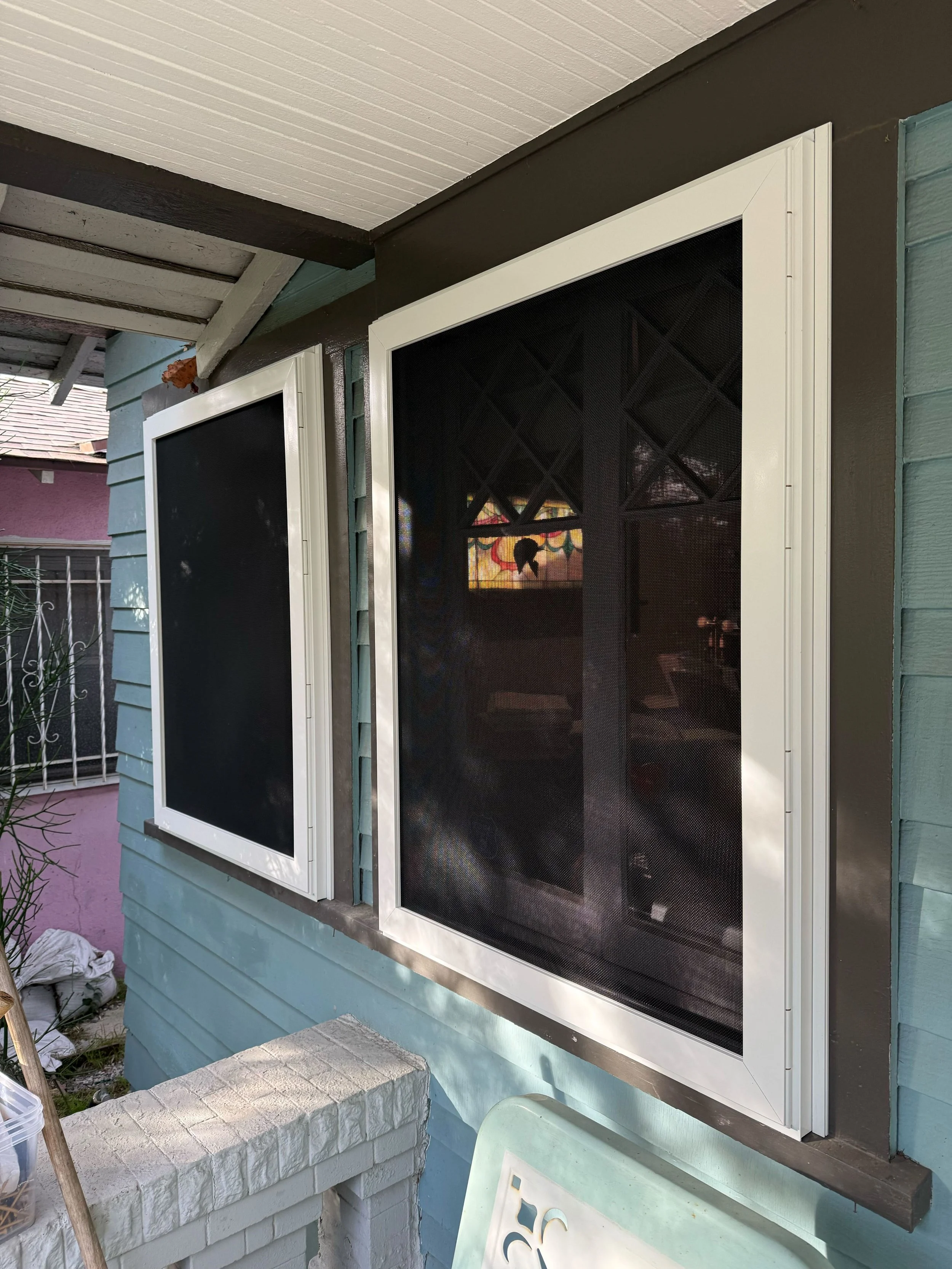
That’s why stainless-steel security screens, like those made by Boss Security Screens, have become the gold standard for window protection.
They can’t be cut, pried, or pushed out — and they look just like regular screens from the street.
The Crowbar Myth
Many imagine burglars creeping around with crowbars.
In reality, most use basic household tools: screwdrivers, pliers, or even landscaping implements left in the yard.
Studies from the University of North Carolina at Charlotte’s Department of Criminal Justice (2023) found that:
40% of burglars entered through unlocked doors or windows.
27% used force, typically by kicking or prying.
The rest exploited visibility and concealment — they simply weren’t seen.
The best deterrent, therefore, isn’t just an alarm — it’s friction. Anything that slows or complicates entry changes the risk equation for an intruder.
Visibility and Lighting
Burglars prefer darkness and privacy.
Homes with motion lights, trimmed hedges, and open sightlines between neighbors experience up to 60% fewer break-ins (FBI Crime Prevention Division, 2024).
Practical steps:
Add motion-activated lighting around side yards and patios.
Keep landscaping under 3 feet high near windows.
Install visible signage (“This home is secured”) even if you don’t have cameras.
These environmental cues make your home less appealing long before an attempt occurs.
What Actually Stops Them
The same UNC study asked convicted burglars what would make them abandon a target.
The top answers were:
Security Screens or Bars (physical resistance).
Cameras and Motion Lights (visibility).
Noise or Dogs (attention).
Alarms ranked fourth — helpful after entry, but less powerful at prevention.
How Security Screens Change the Equation
Security screens alter what burglars expect: easy entry.
Made of marine-grade 316 stainless steel mesh, they can’t be cut, kicked, or pried open.
Each screen is tested under ASTM F1233 (U.S.) and AS5039 (Australia) standards for:
Impact resistance (multiple 220-joule blows).
Knife-shear protection (20 slashes without penetration).
Jemmy tests (resistance to crowbar leverage).
They also allow full airflow and visibility, letting homeowners keep windows open safely — a critical difference in hot climates.
The 10-Second Rule
Burglars typically give up after 10 seconds of resistance.
They’re not committed — they’re opportunistic.
If your door or window doesn’t budge within that time, they move on.
That’s why every layer — lighting, reinforced frames, locks, and screens — compounds deterrence.
The goal isn’t perfection. It’s to be the hardest house on the block to enter.
Real Example: Las Vegas, NV
In a 2024 incident reported by Metro Police, an attempted break-in occurred in a Summerlin home fitted with Boss Security Screens.
The intruder attempted to pry open a window and failed after 15 seconds, leaving tool marks on the mesh but no breach.
Nearby homes without screens suffered successful entries the same night.
Police noted: “Visible physical barriers appear to have redirected offenders.”
The Human Element
Home security is as much about psychology as hardware.
When burglars approach a home that looks difficult — strong screens, visible lights, no concealment — they feel uncertain.
Uncertainty is fear. And fear stops crime.
That’s why law enforcement professionals refer to this strategy as defensible design — building visible resistance that changes criminal behavior before a crime occurs.
Expert Insight
According to Boss Security Screens, the most effective security setup is layered, not complicated.
“Our products don’t replace alarms — they buy time. Time stops burglars,” their team explains.
“When a burglar meets resistance, they leave. And if they can’t even get through the screen, they never make it to the glass.”
Conclusion
Burglars don’t “break in” like in the movies — they exploit convenience, darkness, and weak points.
By reinforcing those weak spots with light, visibility, and physical barriers, you shift from vulnerable to prepared.
Real protection doesn’t just alert you after the fact.
It prevents the moment entirely.