
How Sliding Security Screens Protect Pool Access Doors Without Sacrificing Airflow
Pool-access sliding doors are the single most-used opening in desert homes - and the single most vulnerable. They're wide, they're glass, they're often left cracked open for kids and pets running in and out, and most builder-grade sliders rely on a flimsy latch that any determined intruder can defeat in seconds. For homeowners in Phoenix, Scottsdale, and Las Vegas, upgrading to a properly engineered sliding security screen is the difference between a door that performs as a security barrier and one that only performs as an insect filter.
Why Standard Sliding Screens Fail
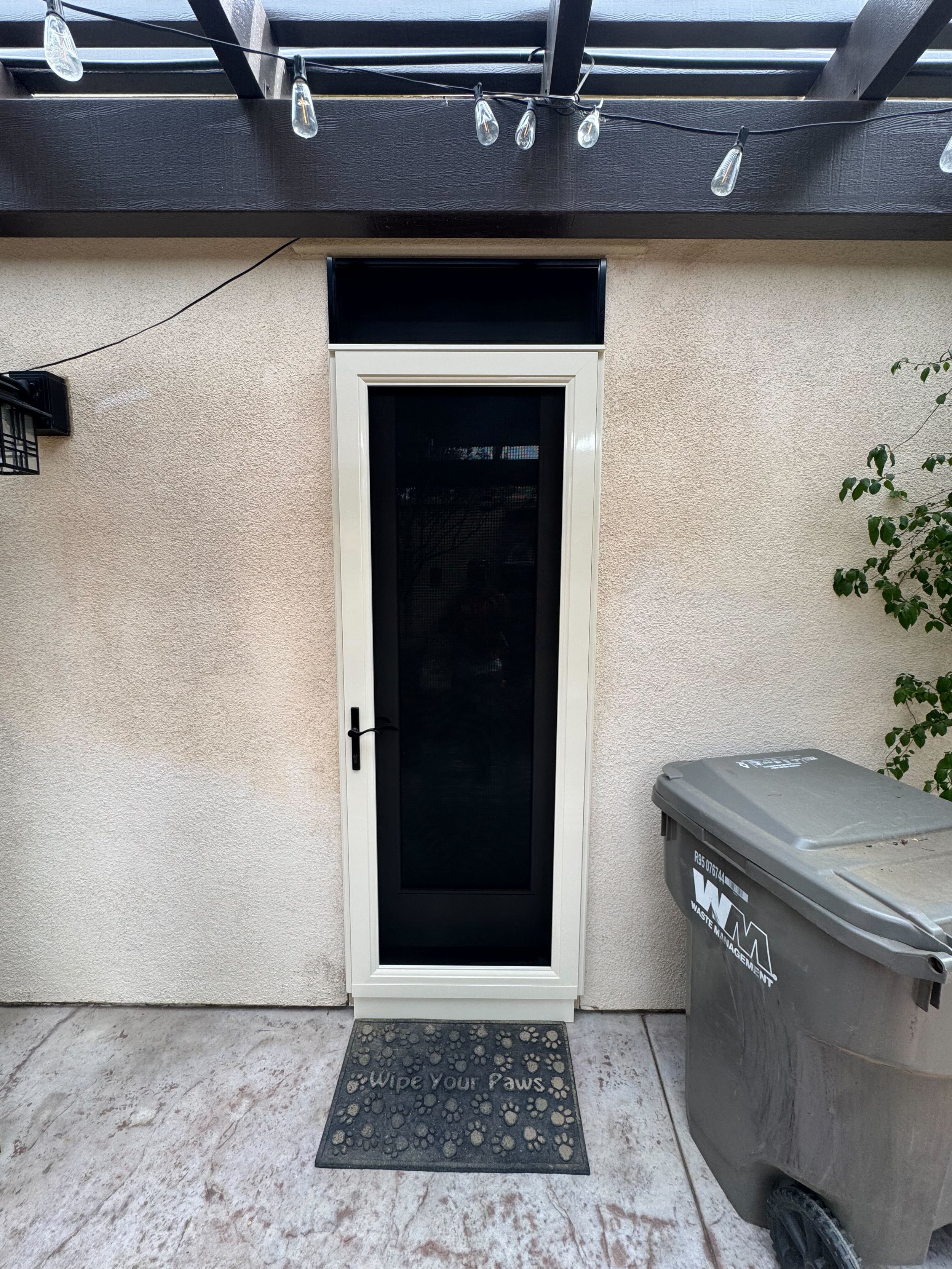
A factory sliding screen is built for one job: keeping flies out. The frame is hollow aluminum, the mesh is fiberglass, and the track rollers are lightweight plastic. None of that resists forced entry. A sliding security screen, by contrast, is built around a heavy-gauge aluminum or steel perimeter frame, a woven stainless-steel or high-tensile mesh anchored into the frame channel, and commercial-duty rollers that carry the weight of the assembly without sagging. The locking hardware is the critical differentiator — a genuine sliding security screen uses multi-point locking or a steel deadbolt that engages the frame, not a plastic catch that flexes under pressure.
Pool Access, Pet Traffic, and the "Door Left Open" Problem
In homes with pools, the slider is open for hours at a time in spring and fall. Kids, grandkids, and pets move through it constantly. Closing and locking the main glass door every time isn't practical, so the sliding security screen becomes the primary barrier during daylight hours. When that screen has a real lock and a real frame, homeowners can leave the glass wide open for cross-ventilation and still keep the opening secured. Adding an integrated pet door inside the security screen — built from the same hardened materials as the surrounding panel — solves the pet-traffic problem without cutting a weak point into the barrier.
Airflow Without Compromise
The fine-mesh weaves used in a quality security screen are engineered to maintain open area for airflow while still passing forced-entry testing. Homeowners moving from a solid steel security door to a mesh-based sliding security screen usually report better airflow than their original factory insect screen, because the heavier frame holds the mesh perfectly flat under tension and eliminates the sag that chokes off breeze on worn-out builder screens. In a Scottsdale home with a west-facing patio, that means afternoon convection actually pulls through the house instead of stalling at the door.
What a Proper Install Looks Like
Retrofitting a sliding security screen onto an existing patio door is a measured, custom process. The frame is fabricated to the exact opening, the track is reinforced or replaced where the original cannot carry the additional weight, and the rollers are sized to the panel. In a recent Phoenix install, a homeowner with a four-panel slider and two large dogs had been living with a broken factory screen for two years because nobody could find a replacement that held up to the dogs. The solution was a full-width sliding security screen with an integrated pet door, riding on commercial rollers rated well beyond the panel weight. Two years of daily use later, the panel still glides with one finger.
Security Screens in Phoenix, Scottsdale, and Las Vegas
Desert climates punish hardware. UV degrades plastic, heat expands aluminum, and fine dust works its way into every moving part. A sliding security screen specified for Phoenix, Scottsdale, or Las Vegas needs marine-grade or powder-coated finishes, stainless fasteners, and sealed rollers that keep grit out of the bearings. Homeowners who try to save money with a non-rated screen usually replace it within three summers. A properly specified system lasts the life of the door.
Getting Started
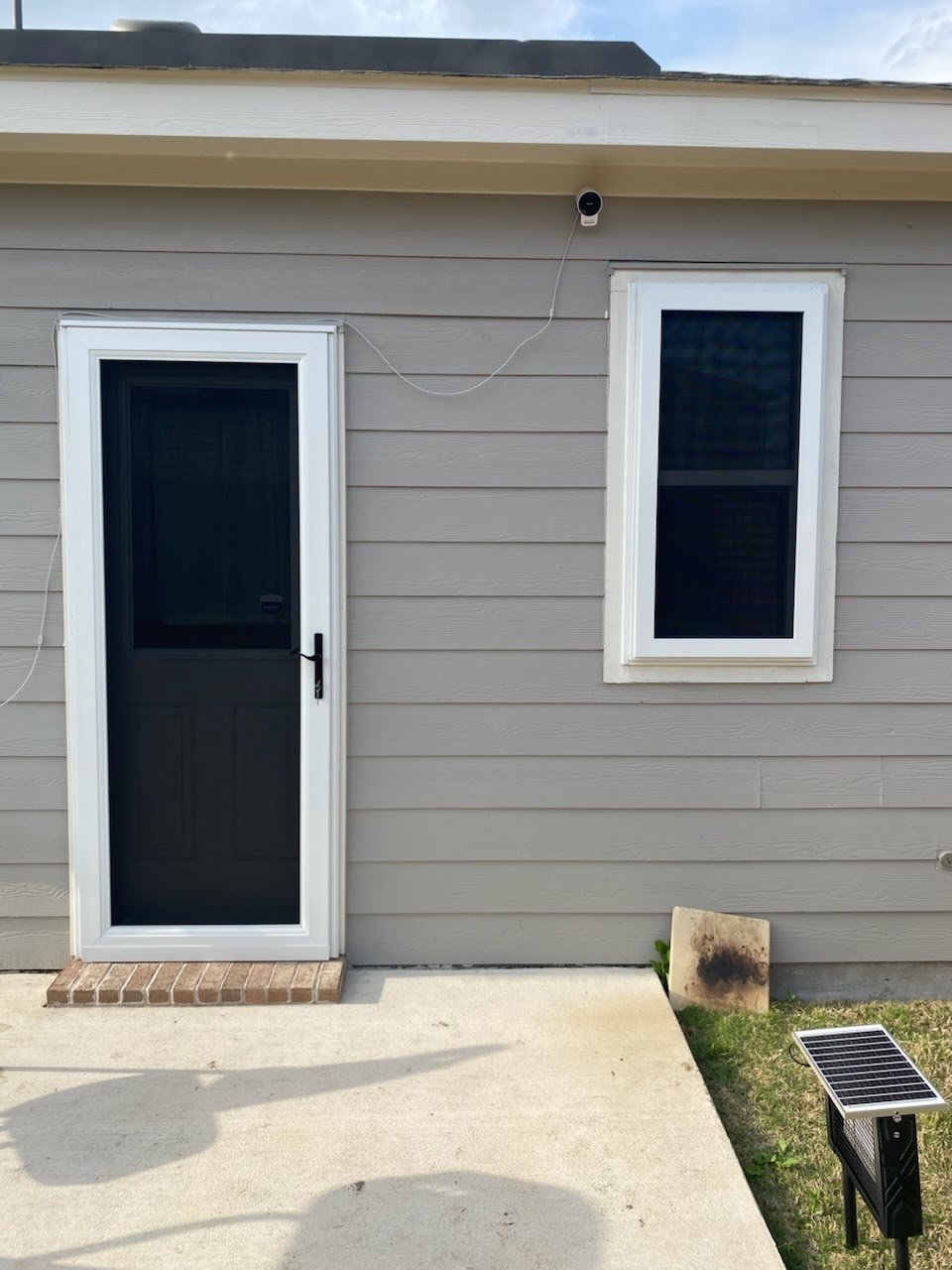
If your pool-access slider is the weak point in your home's security, the fix is straightforward: a custom-measured sliding security screen with real locking hardware, fine-mesh construction, and commercial rollers. Boss Security Screens builds and installs these systems across Phoenix, Scottsdale, and Las Vegas, with optional pet-door integration for households with dogs and cats. Start with a free on-site measure and quote at https://bosssecurityscreens.com/.