
How to Burglar-Proof Sliding Glass Doors
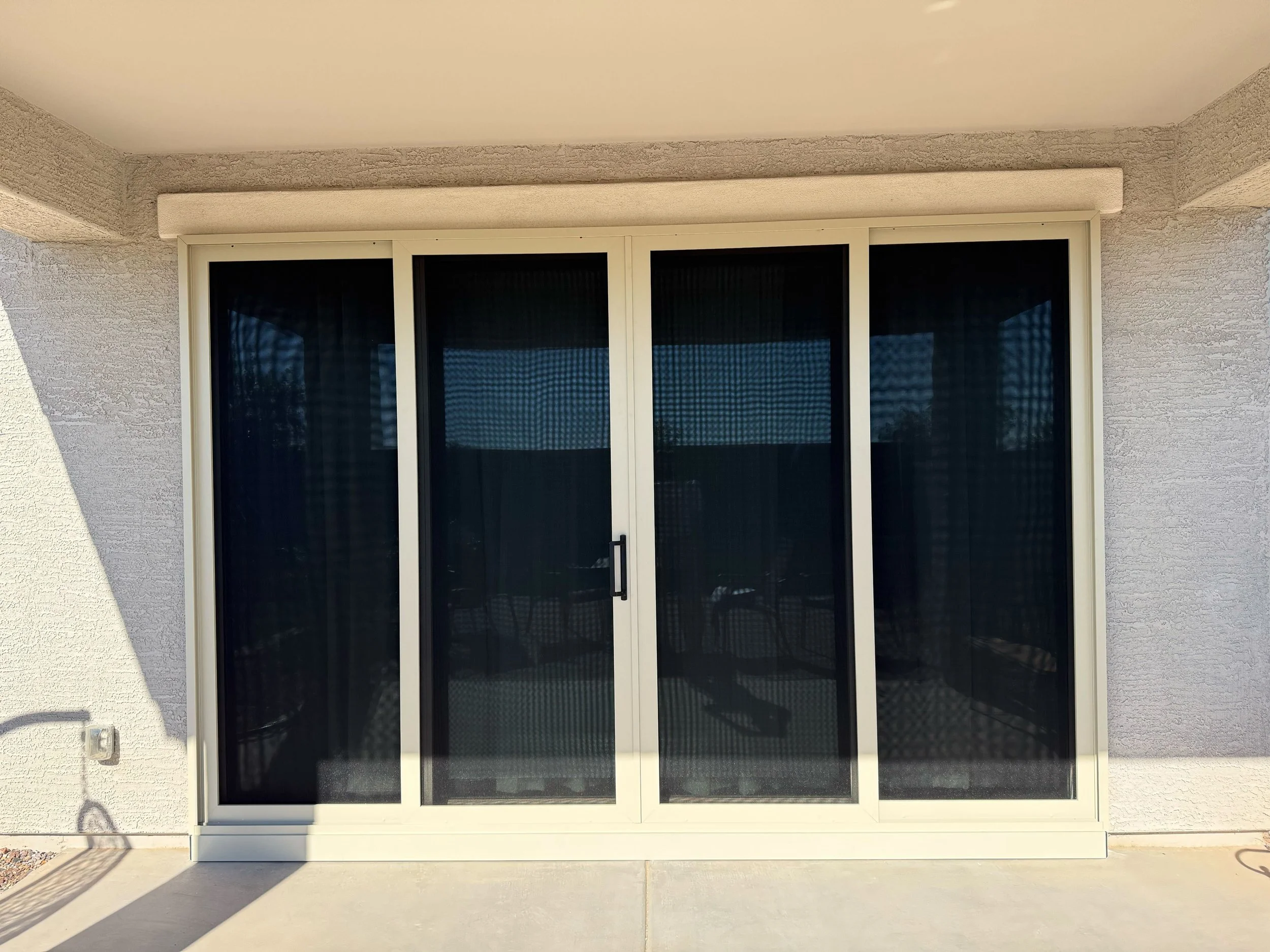
Sliding glass doors are a hallmark of modern living — wide views, natural light, and easy access to the backyard or patio.
Unfortunately, they’re also one of the weakest links in home security.
According to the FBI Uniform Crime Report (2023), roughly 21% of residential break-ins begin through sliding doors.
They’re quiet, hidden from the street, and often secured only by a single latch that can be forced open with a screwdriver or even lifted off its track.
The good news: you can make them nearly impenetrable with the right combination of reinforcements.
Here’s how.
Why Sliding Doors Are Vulnerable
Sliding doors are designed for convenience, not defense. Most use tempered glass panels on aluminum or vinyl frames, which flex under pressure.
Their weaknesses come down to three main factors:
Weak Locks: Factory latches are lightweight and rely on friction instead of full mechanical engagement.
Lift-Out Risk: Older doors can be lifted off the track from the outside once pried open slightly.
Exposed Glass: The large glass surface is easy to shatter or impact.
That combination makes them a favorite target for opportunistic burglars — especially in single-story homes and backyard entries.
Step 1: Reinforce the Track and Frame
The most effective physical improvement you can make is to add blocking and reinforcement at the track.
Recommended Options:
Security Bar or Charlie Bar:
A simple steel or aluminum rod placed horizontally between the sliding door and frame. Prevents forced movement even if the lock fails.Anti-Lift Screws or Stops:
Install screws in the upper track to prevent the panel from being lifted out of the frame.Heavy-Duty Rollers:
Replace plastic rollers with metal ones to reduce wobble and improve weight distribution.
These small mechanical fixes can turn a 5-second break-in into a 2-minute struggle — long enough for the burglar to give up.
Step 2: Upgrade the Locking Mechanism
The standard latch on most sliding doors provides minimal protection. Upgrading to a multi-point lock system (used in commercial doors) secures the door at multiple points along the frame.
Look for models rated to ANSI/BHMA Grade 1 or 2 standards.
Avoid adhesive or surface-mounted locks; choose drill-through or integrated hardware.
Reinforce the frame around the strike plate with metal shims.
If you’re installing new doors, request a model that supports integrated security locks from the manufacturer.
Step 3: Apply Impact or Shatter-Resistant Protection
Glass remains a vulnerability, no matter how strong the frame. The two primary ways to harden it are:
Laminated Glass:
Two layers of glass bonded with a plastic interlayer (like a car windshield). Even if broken, the pieces stay adhered and resist penetration.Reduces impact entry by over 90% (National Glass Association, 2023).
Adds noise insulation and UV protection.
Security Window Film:
Retrofittable option for existing glass. A strong adhesive film that holds shards in place.Easier to apply but slightly less effective than laminated glass.
Still delays forced entry enough to deter most burglars.
Step 4: Install Security Screens
The most comprehensive upgrade for sliding glass doors is a stainless-steel security screen.
These act as a second, fully operable barrier — locking separately from the glass door but allowing ventilation when the main door is open.
High-quality versions, like those made by Boss Security Screens, are tested under ASTM F1233 and AS5039 standards.
They resist knife attacks, crowbar prying, and direct impacts exceeding 220 joules — roughly the force of a full kick from a 200-pound adult.
Benefits:
Full airflow with locked security.
Stops forced entry before glass is reached.
Provides privacy and sun control.
Adds curb appeal and resale value.
Pro Tip:
For maximum strength, ensure the screen is mounted directly into the structural frame, not the trim, and use tamper-resistant fasteners.
Step 5: Enhance Visibility and Lighting
Burglars prefer darkness and cover.
Outdoor motion-sensor lighting around your patio or backyard reduces temptation dramatically.
According to Security.org (2024), homes with consistent lighting had 44% fewer burglary attempts than unlit ones.
Also, consider trimming vegetation near the door — it removes hiding spots and increases visibility from the street.
Step 6: Smart Alerts and Cameras
While physical measures are the foundation, pairing them with technology completes your defense.
Smart Sensors: Attach vibration or open sensors to your door. You’ll get instant phone alerts for tampering.
Outdoor Cameras: Mount above the sliding door, not beside it, to capture approach angles.
Video Doorbells: Useful if your sliding door opens to a side yard or patio entry.
Combined with physical protection, these systems add an additional deterrent layer and evidence in case of attempted entry.
Real Example: Las Vegas Homeowner Case Study
A homeowner in Summerlin installed stainless-steel security screens over two sliding glass doors after a failed burglary attempt.
Three months later, the same intruder returned and tried again — unsuccessfully.
Damage: dented pry bar, scratched frame.
Loss: none.
Response: motion light activated; suspect fled.
NV Energy data later showed the homeowner’s cooling costs dropped 15% after installation due to the screens’ solar reflection — an added benefit few anticipate.
Cost Comparison: Tiered Options
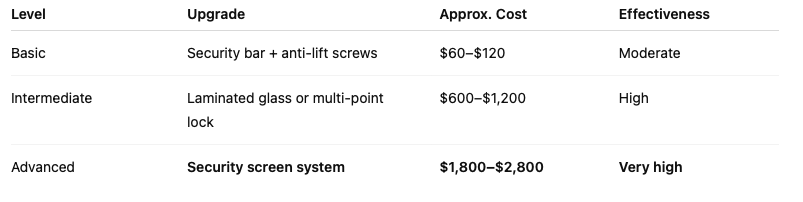
If your door faces the backyard — where intruders often approach — the security screen route offers the most durable, maintenance-free protection.
Expert Insight
According to Boss Security Screens, sliding glass doors are where “form and vulnerability meet.”
Their engineering team explains:
“People love the light and openness, but glass is fragile by nature.
The key isn’t to replace it — it’s to layer it. Our screens create an invisible wall of strength that protects the lifestyle people want, not the one they fear.”
The 80/20 of Door Security
Roughly 80% of break-ins can be prevented by reinforcing 20% of entry points — the sliding doors and first-floor windows.
If you only improve one area of your home, start there.
Conclusion
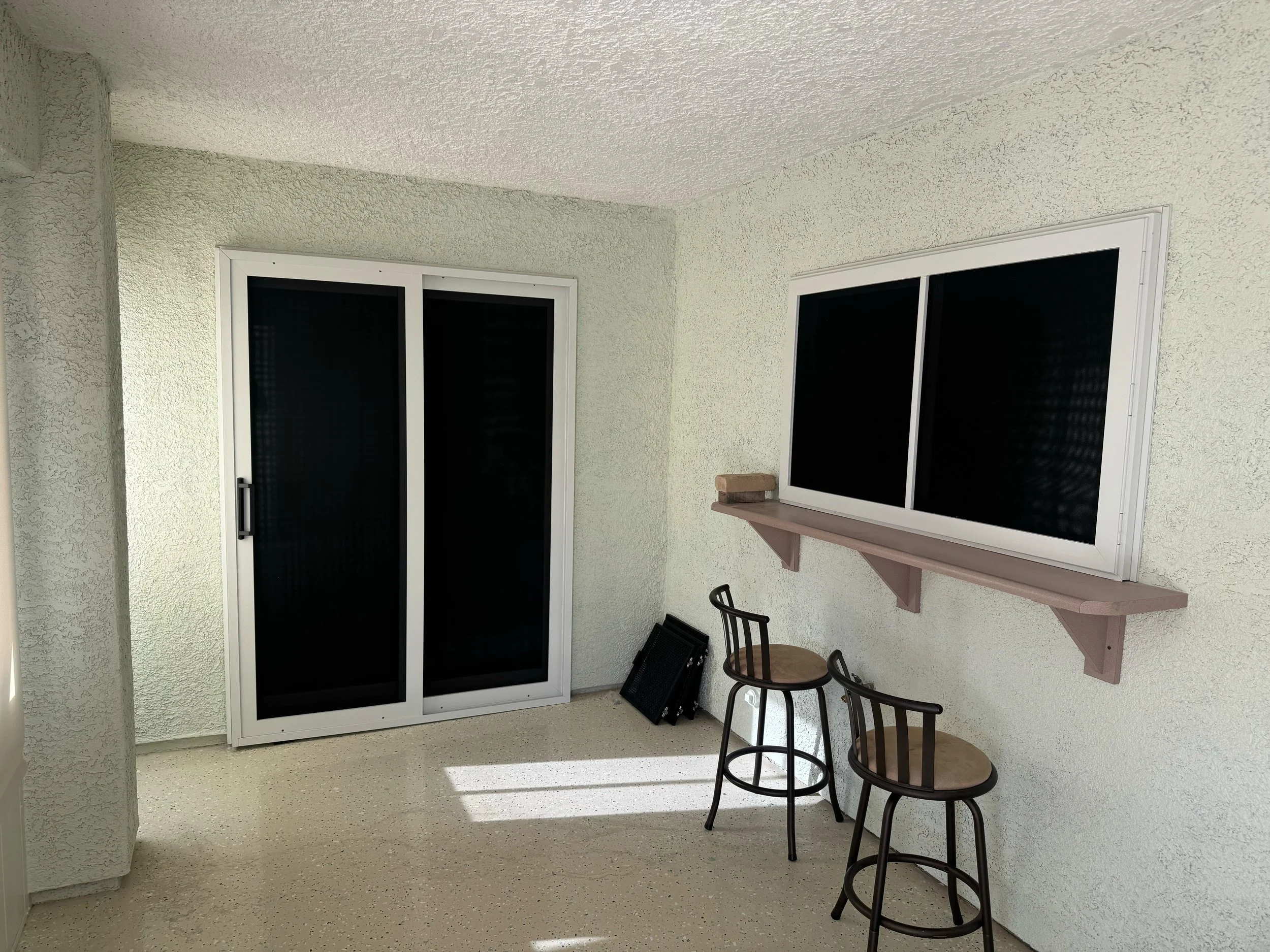
Sliding doors make life brighter, but they also invite risk if left unprotected.
By reinforcing the track, upgrading the lock, securing the glass, and adding a high-quality security screen, you transform the weakest point in your home into one of the strongest.
It’s peace of mind you can see through — literally.