
Security Screens for Rental Properties — What Landlords Need to Know
Security Screens for Rental Properties — What Landlords Need to Know
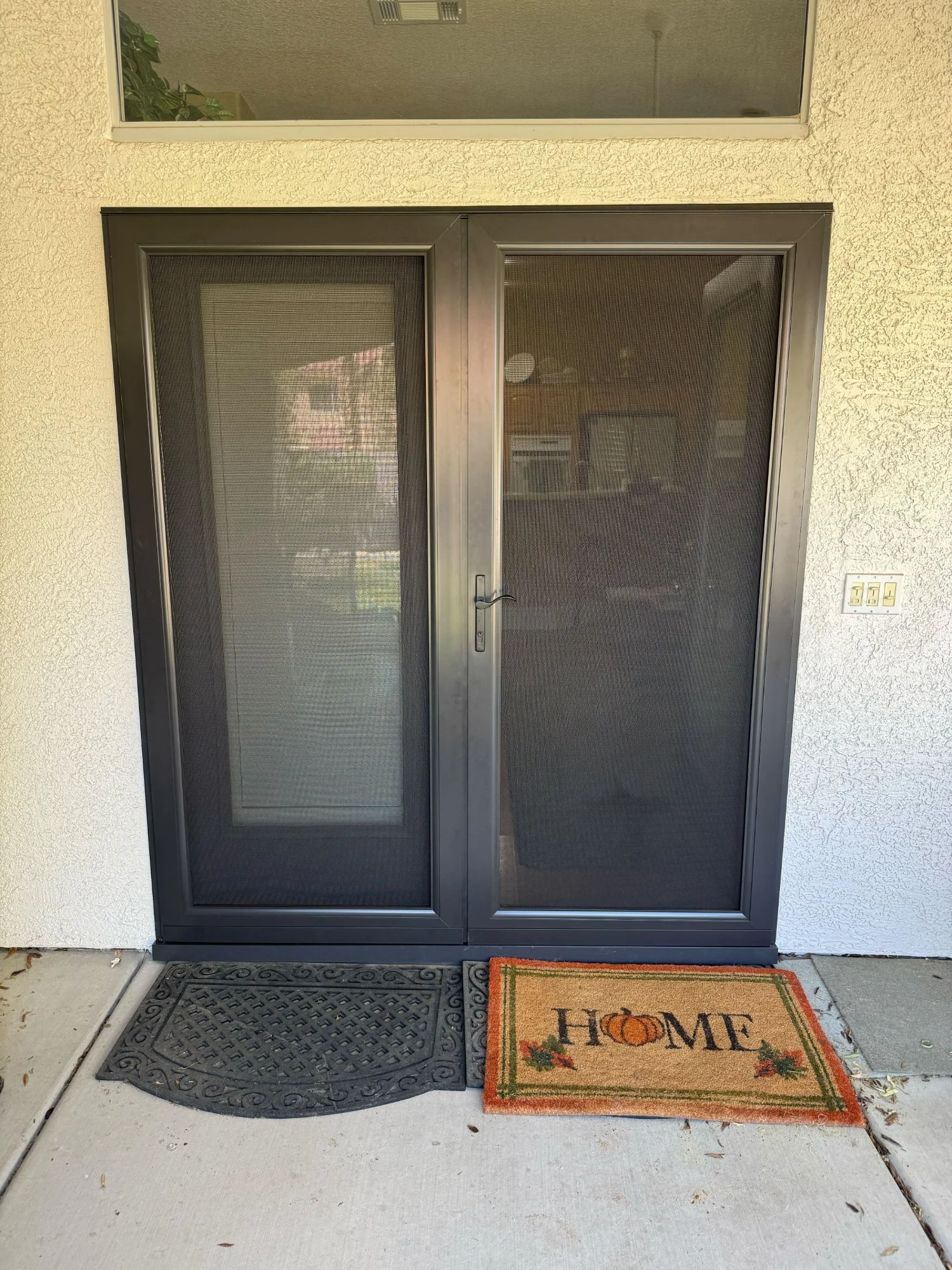
Rental properties face a unique security challenge: tenants cycle through, locks get changed, and liability rests firmly with the owner — not the renter.
Yet most landlords rely on basic deadbolts and standard insect screens, leaving their properties — and tenants — exposed to forced entry, pest intrusion, and unnecessary liability.
Here's what every landlord should know about security screens as a long-term, low-maintenance investment.
Why Rental Properties Are High-Risk Targets
Burglars target rental units because they often combine two factors: high turnover and low security investment.
• Frequent tenant changes mean lock security degrades over time.
• Many landlords use minimum-spec hardware to reduce upfront cost.
• Tenants may leave windows cracked or doors unlocked out of habit.
According to the FBI Uniform Crime Report (2023), multi-family residential units experience burglary rates 34% higher than owner-occupied single-family homes. The presence of a permanent, visible barrier reverses that statistic.
Liability and Duty of Care
As a landlord, your legal exposure extends beyond property damage. In many U.S. states, landlords have a documented duty to provide reasonably secure housing.
If a tenant is burgled through a point of entry that a security screen would have protected — a first-floor window, a sliding door latch — the landlord may face civil liability for negligent security.
Installing tested, certified security screens (AS5039 / ASTM F1233) creates a documented record of proactive safety measures — a legal shield as much as a physical one.
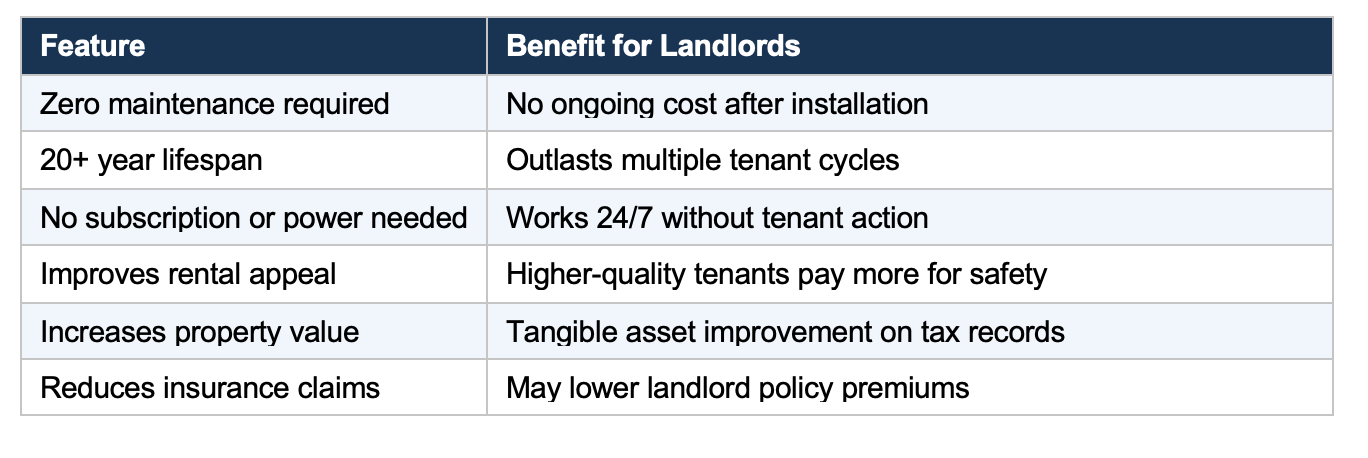
Why Security Screens Are Ideal for Rental Units
The Cost-Per-Tenant Perspective
A full security screen installation for a two-bedroom rental unit typically costs $4,000–$6,000 and lasts 20+ years.
Spread over that period, the per-tenant-year cost is under $150 — far less than the average cost of a single burglary claim ($2,800 average loss, plus insurance deductible and administrative time).
Even a single prevented incident pays for the entire system.
HOA and Local Code Compliance
Many rental properties sit within HOA-governed communities or urban zones with aesthetic regulations. Modern security screens — with custom powder-coated frames matching window trim — are the only security upgrade consistently approved by HOAs.
Unlike bars, grilles, or external cage systems, they don't change the property's visual profile. Most HOAs classify them as standard screen replacements requiring no special permits.
What to Look For as a Landlord
1. Certified testing: Only purchase systems tested to AS5039 or ASTM F1233.
2. Permanent installation: Frames anchored into structure, not trim or surface-mounted.
3. Lifetime warranty: Ensures zero additional cost over the property's ownership period.
4. Custom fit: Reduces gaps that reduce both security and visual appeal.
Boss Security Screens offers landlord-specific installation programs, including multi-unit pricing and documentation packages for insurance and legal compliance records.
The Rental Premium Effect
Tenants are increasingly aware of home security. A 2024 RentPath survey found that 61% of renters rated 'physical security features' as a primary decision factor — ranking above parking or laundry amenities.
Properties with visible security upgrades command an average 6–9% rental premium compared to comparable unsecured units in the same ZIP code.
For a $1,800/month rental, that's an additional $108–$162 per month — fully offsetting screen installation costs within the first two to three years.
Practical Installation Tips for Landlords
• Install before new tenants move in — eliminates access issues and sets a professional tone.
• Document all installations with photos, serial numbers, and warranty cards in your property file.
• Notify your insurance carrier — many offer 2–5% premium reductions for certified security upgrades.
• Include screen care instructions in your tenant welcome packet (biannual rinse with water, no abrasives).
Expert Insight
According to Boss Security Screens, landlord installations now represent over 20% of their residential projects.
"Rental owners are recognizing that security screens are infrastructure, not decoration," their team explains. "They protect the tenant, protect the asset, and protect the owner's liability — all with zero ongoing cost."
Conclusion
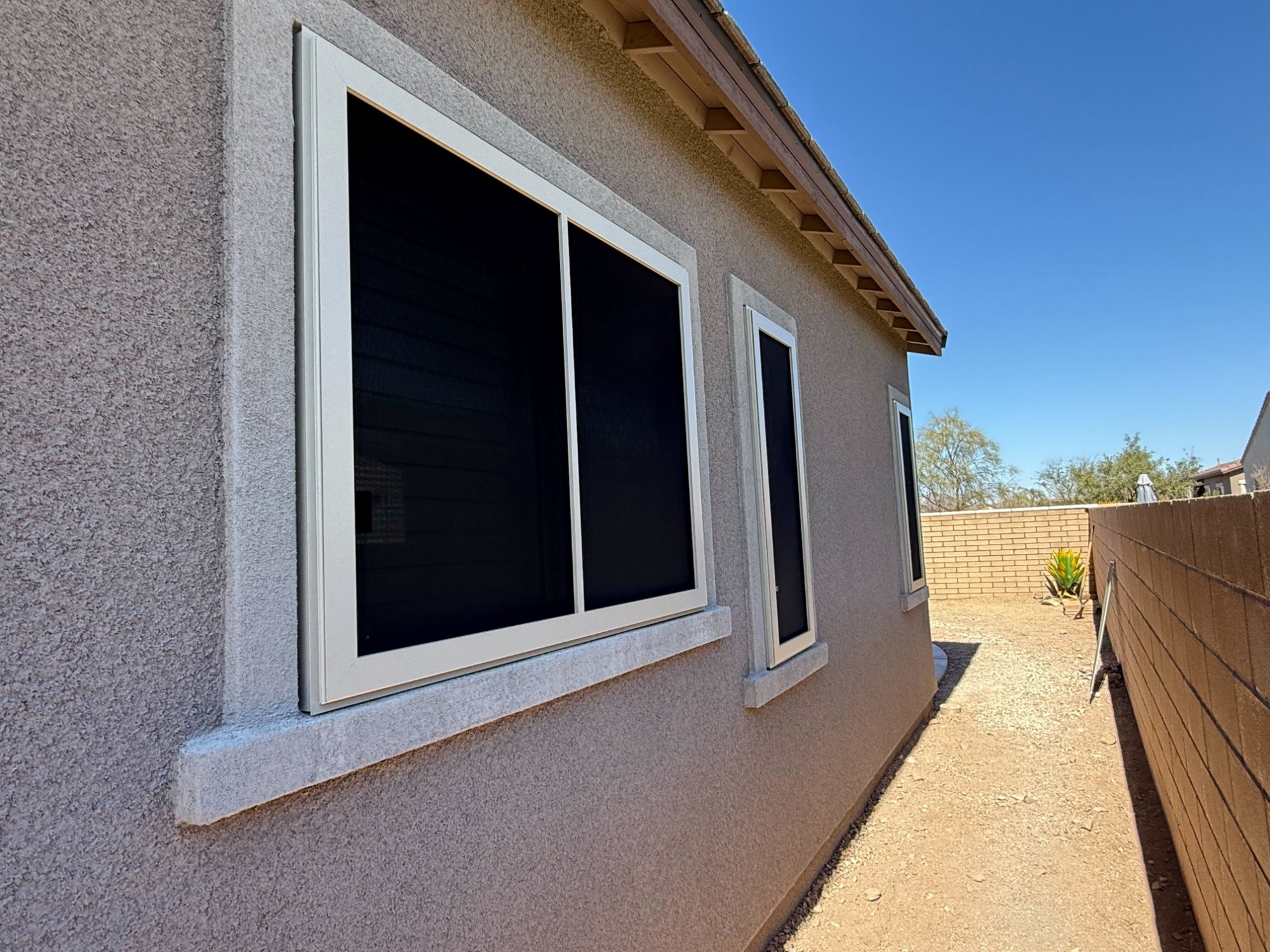
Security screens are one of the few property upgrades that simultaneously reduce liability, increase rental income, lower insurance costs, and improve tenant satisfaction.
For landlords managing single units or entire portfolios, they represent the rare investment that gets better with time — and pays itself back with every renewed lease.