Physical Home Security in 2026: How to Stop Break-ins Before They Happen
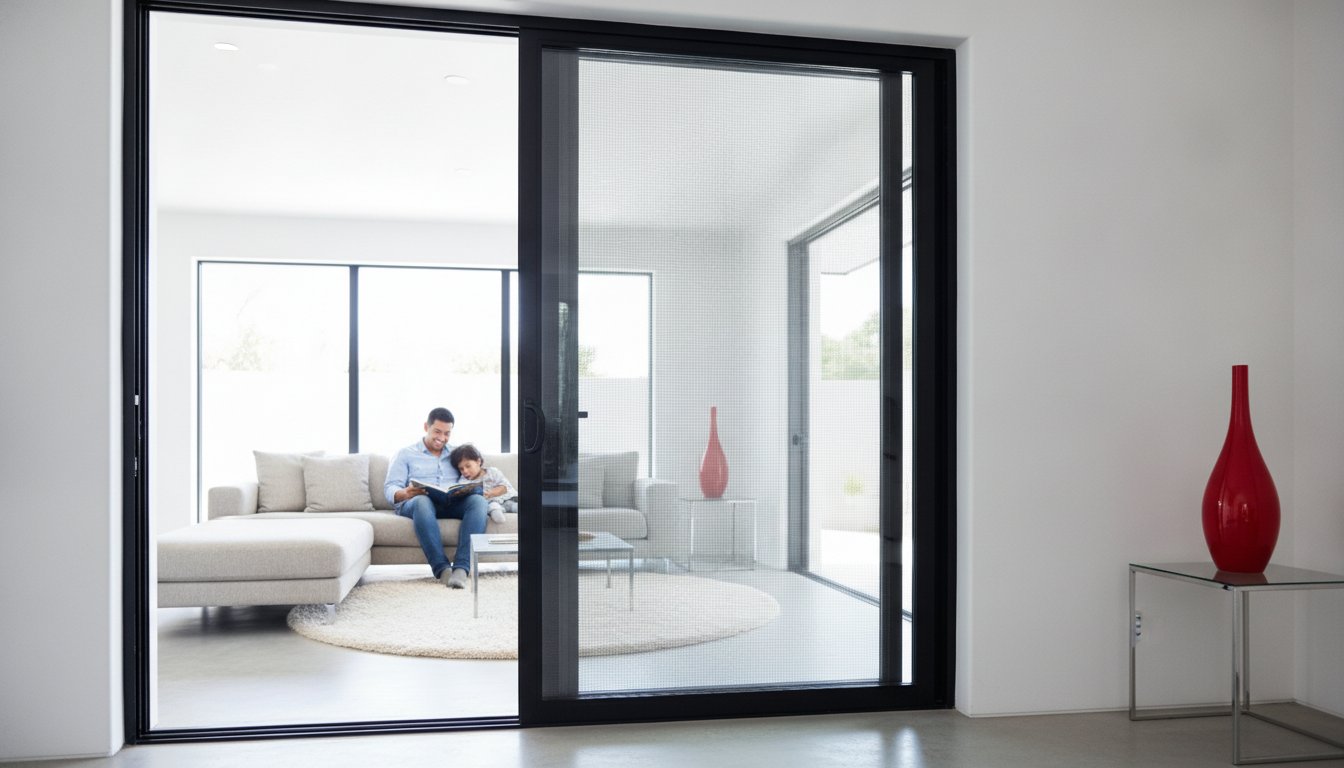
Why are you paying a monthly subscription just to be notified that someone is already inside your house? It's a frustrating reality for many homeowners who feel the weight of subscription fatigue from modern tech. You want your family to sleep soundly, but a phone alert after a window has shattered is a reactive solution to a proactive problem. When comparing security screens vs alarm systems, it's clear that most traditional tech only records the crime rather than preventing it. You shouldn't have to choose between feeling safe and having a home that looks like a home.
We understand that your priority is a permanent, physical solution that doesn't ruin your curb appeal or block the breeze. You can create a hardened perimeter that makes entry nearly impossible without resorting to unsightly bars, maintaining the perfect balance of visual transparency and physical hardiness. This guide will show you how to stop break-ins at the mesh, providing a secure environment where your family can thrive. We'll break down the structural differences between reactive alerts and physical barriers, helping you achieve total confidence in your home's defenses without the monthly bill.
Key Takeaways
- Shift your mindset from reactive notifications to a proactive physical barrier that stops intruders before they ever set foot inside your home.
- Compare the long-term value of security screens vs alarm systems to see how a one-time investment can eliminate monthly fees while offering superior protection.
- Pinpoint the specific vulnerabilities in standard glass doors and windows that make them easy targets, and learn how to reinforce them effectively.
- Discover why high-tensile stainless steel mesh is the modern, "invisible" alternative to bulky security bars, maintaining your home’s curb appeal and airflow.
- Get a clear roadmap for conducting a professional perimeter audit to prioritize the protection of your family's most private spaces.
Reactive vs. Proactive: Why Physical Home Security is Your First Line of Defense
Physical security is the structural hardening of your home's entry points to prevent unauthorized access. When you evaluate security screens vs alarm systems, you're choosing between a proactive barrier and a reactive alert. Burglars prioritize speed and silence. A physical barrier like high-tensile stainless steel mesh destroys both advantages by forcing an intruder to struggle loudly and unsuccessfully. In 2026, the Hardened Perimeter is the gold standard for home defense, ensuring the point of failure is moved from your front door to the exterior mesh.
The Alarm System Fallacy
An alarm is a digital witness to a crime already in progress. Because police response times can be unpredictable and the average property loss per burglary is nearly $2,800, a phone notification is often just a record of what you've lost. There’s a massive psychological difference between knowing an intruder is in your hallway and knowing they're stuck on the sidewalk. True Physical security keeps the threat outside, giving your family the peace of mind they deserve.
The One-Time Investment Advantage
Monthly monitoring fees are a never-ending drain on your bank account. Most professional monitoring services cost between $10 and $50 per month, which adds up to thousands over the life of your home. High-tensile security screens represent a one-time investment that offers permanent protection without the subscription fatigue. You can review our pricing information to see how physical hardening provides a more cost-effective strategy for the modern household.
Identifying Your Home’s Weakest Links: Points of Entry
An intruder doesn't see a door; they see a weakness. Most burglars are opportunists looking for a quick win, focusing on front doors, sliding patio doors, and ground-floor windows. Standard fly screens are designed for insects, not people. They offer zero resistance to a determined push or a simple blade. While securing your home against burglary involves many layers, leaving these physical gaps open is a gamble. In cities like Phoenix or Scottsdale, where patio living is standard, these entry points are often the most vulnerable parts of the house.
The Sliding Glass Door Trap
A wooden dowel in the track won't stop a determined intruder. Burglars can often lift the door off its tracks or smash the glass in seconds. When you compare security screens vs alarm systems, the difference in physical protection is massive. An alarm only alerts you after the breach has occurred. In contrast, sliding security doors act as an unbreakable shield. They keep the glass intact and the threat outside where it belongs.
Window Vulnerability Beyond the Ground Floor
Ground-floor windows aren't the only risk. Ladder burglaries are becoming more common, specifically targeting second-story master suites while families are occupied downstairs. Side garage entries and French doors are other frequent blind spots that lack proper reinforcement. Custom security window screens on all accessible glass ensure your home is hardened from top to bottom. If you're ready to find the pry points in your own perimeter, you can get a professional assessment to see where you need the most protection.
Hardening Your Home Without Sacrificing Airflow or Aesthetics
For decades, the only way to physically stop an intruder was to install heavy iron bars. This "prison bar" look is a disaster for curb appeal and home value. In modern residential design, especially in upscale areas like Irvine or Scottsdale, homeowners demand a sophisticated guardian that doesn't ruin the view. High-tensile stainless steel mesh provides an invisible shield. It looks like a standard bug screen but possesses the structural integrity of steel. This is a major point in the security screens vs alarm systems debate; while alarms are invisible, they don't stop a rock through the glass. Screens provide the best of both worlds by stopping the threat while remaining HOA-friendly.
One of the greatest lifestyle benefits is the ability to maintain natural cross-ventilation. In desert climates, being able to leave your front door or patio slider open at night is a luxury. Without physical hardening, it's a massive risk. With security screens, you can enjoy the breeze with total confidence. You get the comfort of fresh air without the fear of a midnight intruder.
The Fire Safety Factor
Permanent bars are more than just ugly; they're a lethal fire hazard that can trap families during an emergency. Quick-release mechanisms are non-negotiable for any window installation. Boss Security Screens balance egress requirements with intruder prevention by incorporating intuitive, easy-to-use exit systems. This ensures your family can get out even if an intruder cannot get in.
Visibility and UV Protection
Modern mesh does more than stop burglars. It acts as a high-performance solar screen, blocking a significant portion of UV rays and heat transfer. This helps reduce cooling costs in scorching climates while protecting your furniture from fading. For those looking to expand their secure footprint, Patio Enclosures: Secure Your Outdoor Space offers a way to blend outdoor living with indoor safety. If you're tired of choosing between a closed-up house and a vulnerable one, you can schedule a free consultation to see these designs in person.

Implementing a Professional Security Strategy
Building a hardened perimeter is a systematic process. It requires more than just buying a few gadgets; it demands a tactical approach to your home's physical structure. When choosing between security screens vs alarm systems, remember that the most effective strategy is the one that physically denies entry. A professional plan ensures that every vulnerability is addressed before a crisis occurs. It’s about moving from a state of worry to a state of total confidence.
- Step 1: Conduct a Perimeter Audit. Walk around your property and inspect every door and window. Look for "pry points" where a tool could easily get leverage.
- Step 2: Prioritize Hidden Entries. Burglars love back patios and side garage doors because they offer cover. Secure these high-risk areas first.
- Step 3: Choose Custom-Built Solutions. Mass-produced doors from big-box stores often leave gaps that compromise the entire system.
- Step 4: Ensure Professional Installation. A security product is only as strong as its anchor. It must be bolted into structural studs, not just the decorative trim.
Custom Built vs. Off-the-Shelf
The danger of a generic door is in the details. A 1/4 inch gap is all a pry bar needs to breach a door and gain access to your home. Precision matters when your family's safety is on the line. This is why we only offer custom-built and professionally installed products. We eliminate the gaps that intruders exploit, ensuring a seamless fit for any opening. It’s a permanent solution that off-the-shelf products simply can't match.
Commercial Grade Protection for the Home
For those with high-value estates or residential safe rooms, standard solutions might not be enough. You can apply commercial security screens to your home for an even higher level of material resilience. These systems are designed to withstand extreme force, providing a level of protection that electronics simply cannot match. It’s about the No-Break-In peace of mind that comes from knowing your home is truly impenetrable. Take the first step toward a permanent solution and secure your sanctuary today.
Take Control of Your Home’s Defense Today
Your home should be your sanctuary, not a place where you wait for a sensor to trigger. By choosing a proactive hardened perimeter over reactive notifications, you're shifting the power back into your hands. We've explored how identifying entry points and implementing high-tensile mesh can stop a break-in before it starts, all while keeping your home beautiful and breezy. When you look at the long-term benefits of security screens vs alarm systems, the choice is clear. Physical barriers offer a permanent peace of mind that digital alerts simply can't match.
Boss Security Screens has been family-owned and operated since 2019. We take pride in servicing Las Vegas, Phoenix, and major California hubs with products that are custom-built for every unique window and door in your house. Our focus is on providing a No-Break-In guarantee so you can feel the relief of a permanent solution. You don't have to settle for "good enough" when it comes to your family's safety. Our team is ready to help you design a solution that fits your lifestyle perfectly.
Get a Free Security Consultation & Quote today and start living with total confidence. You deserve a home that's as secure as it is stunning.
Frequently Asked Questions
What is the difference between a security screen and a regular bug screen?
A bug screen is made of lightweight fiberglass or aluminum designed solely to keep insects out. It can be pushed out or cut with a kitchen knife in seconds. In the debate of security screens vs alarm systems, the screen's physical strength is the game changer. Security screens use high-tensile stainless steel mesh anchored into a heavy-duty frame that is bolted into your home's structural studs.
Can burglars cut through stainless steel security mesh?
No, a determined intruder cannot simply cut through this mesh with common household tools like knives or box cutters. The high-tensile stainless steel is engineered to withstand significant impact and shear force. It resists prying, kicking, and cutting attempts that would easily bypass standard glass or flimsy insect mesh. This creates a permanent physical barrier that remains effective even if your power goes out or your internet fails.
Do security screens block the view or airflow in my home?
They don't block your view or stop the breeze. From a distance, they look exactly like high-quality insect screens, maintaining your home's aesthetic clarity and curb appeal. You get the natural airflow you'd expect from a standard screen while enjoying the protection of a steel shield. Many homeowners find that the mesh actually improves their comfort by acting as a solar screen to reduce heat and glare in desert climates.
Are physical security screens HOA-approved in most neighborhoods?
Yes, they are widely accepted by HOAs because they don't have the industrial look of traditional security bars or grilles. Since they mimic the appearance of standard window screens, they blend seamlessly with modern architectural styles in neighborhoods from Phoenix to Scottsdale. When comparing security screens vs alarm systems, screens offer a visual upgrade that maintains property value rather than looking like an eyesore or a reactive tech addon.
How do I get out of the house in an emergency if I have security screens?
Every window screen installation includes a quick-release mechanism designed for fast emergency egress. These intuitive levers allow you to push the screen open from the inside in seconds, ensuring your family can exit safely during a fire or other crisis. While the screens are impenetrable from the outside, they are specifically engineered to prioritize your safety and meet local fire codes. You get the benefit of a hardened perimeter without sacrificing your exit strategy.