Security Screens Return on Investment: Is the Upgrade Worth It in 2026?
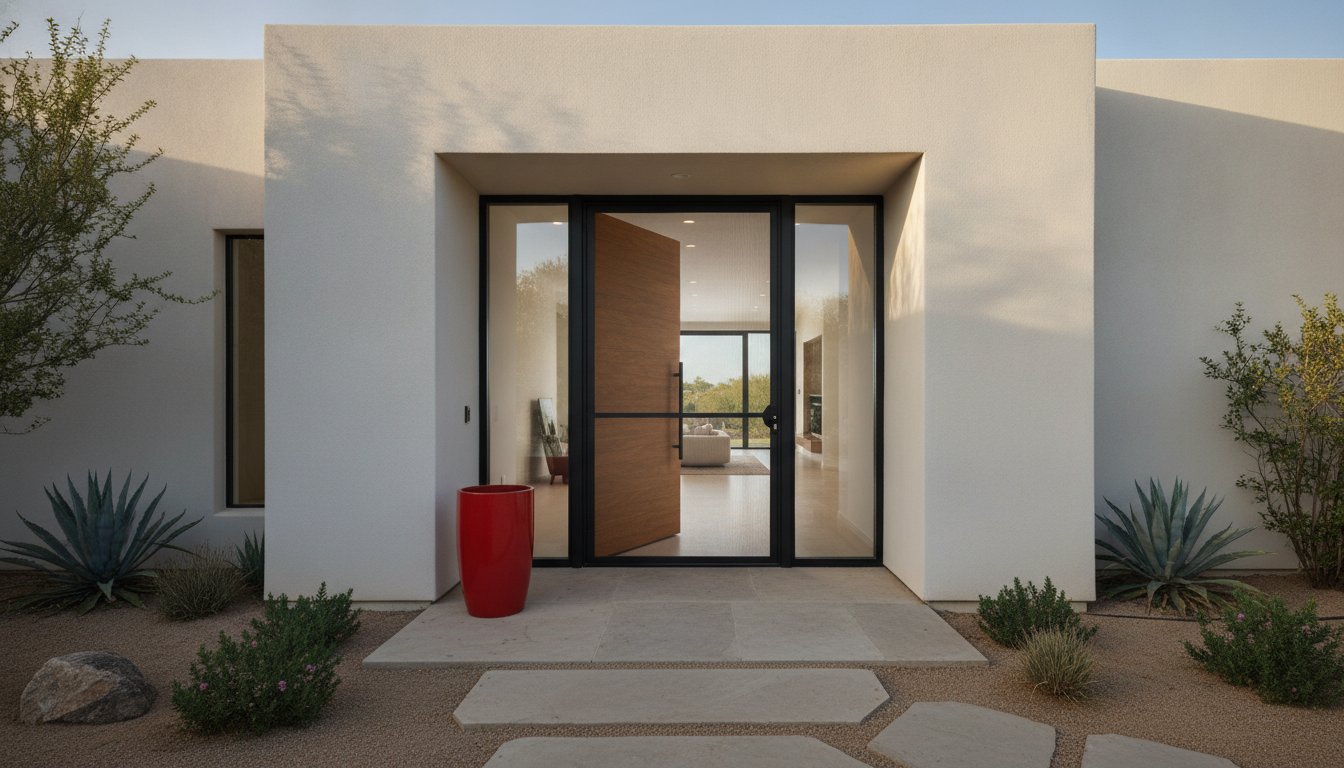
A home with professionally integrated security features can command a price per square foot nearly $38 higher than a house left unprotected. This data point is central to understanding the security screens return on investment in a market that rewards permanent protection. You've likely felt the sting of rising insurance premiums, which are climbing another 8% in 2026, or perhaps you're tired of paying monthly fees for an alarm that only rings after someone is already inside. Finding a way to protect your family while building wealth can feel like a tall order.
This guide reveals how a one-time upgrade pays for itself through equity, efficiency, and insurance savings. Discover how custom security screens provide visual transparency and physical hardiness, acting as a permanent guardian without the "prison bar" aesthetic that ruins curb value. We'll explore how these architectural-grade screens slash cooling costs by blocking up to 66% of solar heat and why today's buyers are prioritizing "hardened homes" as a non-negotiable standard for move-in ready properties. You gain absolute peace of mind and a stronger bottom line.
Key Takeaways
- Learn why professional-grade security screens are classified as a capital improvement that builds equity rather than a simple home repair.
- Compare the long-term math of recurring alarm fees against the one-time security screens return on investment to identify the most cost-effective protection strategy.
- Discover how high-tensile mesh blocks solar heat to slash your monthly utility bills and protect expensive interior finishes from UV damage.
- Understand why professional installation is essential for securing insurance premium discounts and ensuring the structural integrity of your home's defense.
- See how to achieve the "hardened home" status that buyers crave without sacrificing the visual appeal or airflow of your property.
The Financial Framework: How Security Screens Build Home Equity
When you invest in your property, you're usually choosing between maintenance and improvement. Fixing a leaky faucet is maintenance; it keeps the value from dropping. Installing architectural-grade security is a capital improvement. It's a permanent addition that fundamentally raises the baseline value of your home. This distinction is critical for understanding your security screens return on investment. A 2023 study highlighted that homes with integrated security features had an average price per square foot nearly $38 higher than those without. In the 2026 real estate market, this "hardened home" status is no longer a luxury; it's a standard for move-in ready properties.
Buyers in 2026 are looking for safety, but they refuse to live behind ugly iron bars. Modern security screens offer a sophisticated juxtaposition of visual transparency and physical hardiness. They allow for full airflow and clear views while providing a nearly impenetrable barrier. This aesthetic clarity ensures your home maintains its curb appeal while signaling to potential buyers that the property is a secure sanctuary. Calculating the security screens return on investment requires looking at both the immediate appraisal bump and the long-term reduction in risk.
Appraisal vs. Resale Value
Smart home gadgets often lose their appeal as soon as the next model is released. In contrast, permanent fixtures like security window screens provide lasting value that appraisers recognize. High-quality security screens act as a silent closer during home tours by providing immediate, visible proof of a premium safety upgrade. For more insights into how these features impact your bottom line, see Home Security Upgrades That Add Value to Your Property in 2026.
Lowering Your Monthly Carrying Costs
Beyond equity, these screens provide immediate relief for your wallet. Many insurance providers offer discounts between 5% and 20% for homes equipped with professional-grade physical barriers. Underwriters view high-tensile steel mesh as the gold standard for risk reduction because it stops the threat before it enters the building. By integrating robust window security measures, you effectively lower the long-term cost of homeownership while securing your family's future.
Security ROI: Physical Fortification vs. Digital Subscriptions
Most homeowners fall into the "subscription trap" without realizing it. Paying $40 or $60 every month for alarm monitoring is essentially renting your safety. Over a decade, those fees can easily exceed $5,000, and you're left with zero equity to show for it. When you calculate the security screens return on investment, you're looking at a one-time capital expense that stays with the property. It transforms a recurring monthly drain into a permanent asset that adds tangible value to your home's appraisal.
Digital security is notoriously fragile. Cameras go offline when the Wi-Fi drops, and smart locks can be bypassed by software glitches or dead batteries. High-tensile stainless steel mesh doesn't require a power source or a high-speed connection. It provides a reliable, tough-as-nails shield that works every second of every day. This hardware-based approach ensures that your protection never becomes obsolete, unlike digital gadgets that often require replacement every three to five years.
The True Cost of 'Gadget-Only' Security
A custom security door is built to outlast your mortgage. Compare that to a plastic smart doorbell that might last three years before the hardware is outdated or the cloud service is discontinued. Physical fortification stops the threat at the perimeter, preventing the high cost of broken glass and the emotional trauma of a home breach. For a deeper look at why physical barriers matter more than ever, check out How Do Burglars Break In? A 2026 Homeowner’s Security Checklist.
Home Security Without Monthly Fees
Physical screens provide 24/7 protection with zero recurring overhead. In a security context, active deterrence means stopping the intruder before they touch your glass, while passive notification simply tells you that your home has already been breached. Beyond safety, these energy-efficient window attachments add functional value that digital sensors can't match. If you're ready to stop paying for subscriptions and start investing in your home, it's a great time to request a professional security assessment to see the difference for yourself.
The Climate Bonus: Energy Efficiency and HVAC Longevity
In desert climates like Phoenix and Las Vegas, the sun acts as a constant tax on your monthly budget. While most people focus on the defensive benefits, the security screens return on investment includes a significant "climate bonus" that pays out every summer. High-tensile mesh blocks up to 53% of solar heat gain before it ever touches your window glass. This proactive thermal barrier keeps your home's interior temperature stable, preventing the greenhouse effect that usually forces your air conditioner into overdrive.
The savings extend beyond your utility bill to the very heart of your home's infrastructure. When your HVAC system doesn't have to fight a constant battle against solar radiation, it runs fewer cycles. This reduced load directly extends the mechanical lifespan of your unit, delaying a replacement cost that can reach five figures. Real estate experts frequently highlight the high ROI for security upgrades that offer these types of multi-functional benefits. You're not just buying a screen; you're buying years of extra life for your air conditioner.
Lowering Your Summer Cooling Bills
Shading window-facing rooms is one of the most effective ways to slash energy costs. During those beautiful spring and fall evenings, custom security doors allow you to keep your house open for cross-ventilation without a second thought. You get the benefit of "free cooling" from the desert breeze while remaining completely protected. This natural airflow reduces the need for constant climate control, further boosting your security screens return on investment through lower energy consumption.
HOA Approval and Curb Appeal ROI
Strict HOAs often block traditional security bars because they hurt neighborhood property values. Modern security screens solve this problem by providing a sleek, nearly invisible profile that complements any architectural style. They maintain your home's curb appeal while meeting the most rigorous neighborhood standards. If you want to see how these screens can lower your bills and protect your interior, request a free energy and security consultation to get the facts for your specific home.

Maximizing Your Return: Quality and Professional Installation
To realize the full security screens return on investment, you have to look past the initial price tag and focus on the "One and Done" philosophy. Cheap DIY kits might seem like a bargain, but they often fail to add any real appraisal value due to poor fit and visible gaps. Professional-grade screens are forged from high-tensile stainless steel designed to resist rust and corrosion for decades. This durability ensures that your investment remains a pristine asset rather than a maintenance headache that needs replacing in five years.
Precision engineering is the backbone of a secure home. Custom-fitted screens provide a level of structural integrity that standard sizes simply can't match. When a screen is built specifically for your frame, there are no weak points for an intruder to exploit. A solid 10-year warranty is the industry standard for premium products. If that warranty is transferable, it becomes a powerful selling point for future buyers. It effectively secures your home's resale premium long after the installation is complete.
Why Professional Installation Matters for ROI
A security screen is only as strong as its connection to your home. Professional installation ensures that the frames are properly anchored into the building's structural studs, not just the trim. This level of craftsmanship is required to achieve the highest security ratings and to qualify for the most significant insurance discounts. To get a better sense of the investment involved for your specific home, take a look at our Custom Security Door Price Guide: What to Expect in 2026.
Next Steps for Your Property
Maximizing your security screens return on investment often starts with a strategic rollout. Most homeowners prioritize high-traffic entry points, like sliding glass doors or front entries, before moving to bedroom windows. This phased approach allows you to secure the most vulnerable areas first while managing your budget effectively. If you're ready to identify the highest ROI upgrades for your specific floor plan, you can schedule a free security consultation today. We'll help you build a protection plan that fits your family's needs and your home's architectural style.
Secure Your Home's Value and Your Family's Future
Investing in your home's defense isn't just about safety; it's a strategic move for your long-term wealth. By choosing permanent physical barriers over fragile digital subscriptions, you transform a monthly expense into a lasting equity asset. High-end screens slash cooling costs and extend the life of your HVAC system, providing a multi-layered security screens return on investment that pays out every single month.
When you're ready to upgrade, the quality of the materials and the precision of the fit make all the difference. Our family-owned and operated team has been serving homeowners since 2019, providing solutions custom-built for every opening. We utilize 304 stainless steel high-tensile mesh to ensure your protection remains unyielding against both intruders and the elements. This is the permanent solution that combines extreme strength with aesthetic clarity.
Take the next step toward a more secure, energy-efficient, and valuable property. Secure your home's future and get a free consultation today. You deserve the total confidence that comes from a hardened home.
Frequently Asked Questions
Do security screens actually increase a home’s appraisal value?
Yes, professionally installed security screens are recognized as capital improvements that increase your home's appraisal value. Unlike portable security cameras, these are permanent structural additions that stay with the property. Research shows that homes with integrated security features can command a price per square foot nearly $38 higher than those without. In 2026, buyers increasingly view these hardened features as a standard requirement for a premium, move-in ready home.
How much can I save on home insurance with security screens?
Homeowners can typically expect insurance premium discounts between 5% and 20% after installing professional-grade security screens. Insurance companies favor physical fortification because it stops a crime before it results in a costly claim for stolen goods or broken windows. With premiums projected to climb by 8% in 2026, this discount becomes a vital tool for lowering your monthly carrying costs and securing a better security screens return on investment.
Are security screens more cost-effective than a monitored alarm system?
Security screens are a more cost-effective choice because they replace recurring monthly fees with a one-time equity investment. Monitoring subscriptions can cost thousands over a decade, but screens provide 24/7 protection with zero overhead. Physical hardware doesn't suffer from the three to five year obsolescence cycle seen in digital gadgets. You're buying a permanent asset that keeps working without batteries, internet connections, or expensive software updates.
Will security screens help lower my energy bills in hot climates like Phoenix?
Absolutely. High-grade security screens are designed to block between 53% and 66% of solar heat gain, which is essential for desert climates. This thermal barrier prevents your home from turning into a greenhouse, allowing your air conditioner to run more efficiently. You'll see a direct impact on your cooling bills and enjoy a longer lifespan for your HVAC system, as it won't have to work as hard during peak summer months.
What is the typical lifespan and warranty for high-quality security screens?
A high-quality security screen is a multi-decade investment, typically featuring a 10-year industry-standard warranty. These screens are built from resilient 304 stainless steel mesh that resists rust and physical tampering. When you choose professional installation, you're securing a one and done solution that stays structurally sound for the life of your home. This durability is a key factor in maximizing the security screens return on investment for long-term owners.